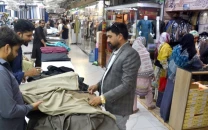
Inflation dampens Eid shopping
Updated 20 hours ago

Residents advised to wear N90 masks and limit outdoor exposure

Amid a rise in seasonal allergies, a general physician has urged residents to adopt additional preventive measures against pollen and cough-related allergies, including wearing masks, drinking kehwa or green tea, and limiting outdoor activities.
Speaking to a local television channel, Assistant Professor and General Physician at JPMC, Dr Irfan Siddiqui, said that January to March marks the peak season for pollen allergies in Islamabad. He noted that while the authorities have been removing allergy-inducing trees, citizens should continue to avoid such areas and take precautions to minimise exposure.
Dr Siddiqui explained that seasonal changes, fog and vehicular pollution can aggravate allergic reactions, making lifestyle adjustments essential. He recommended practical steps such as wearing N90 masks, reducing time spent outdoors, isolating oneself during periods of high pollen concentration, and maintaining a healthy daily routine.
He also advised residents to identify and closely monitor allergy symptoms, including sneezing, nasal congestion, itchy or watery eyes and mild coughing, so that timely action can be taken and medical advice sought when required.
Responding to queries about the increase in cases of cough and so-called "super flu" in Karachi, Dr Siddiqui said that while seasonal allergies can worsen respiratory symptoms, heightened vigilance is crucial. He urged people to distinguish between allergy-related symptoms and infections, observe proper hygiene practices and consult a physician if symptoms persist or deteriorate.
He stressed that timely precautions and public awareness could significantly reduce the impact of both seasonal allergies and respiratory illnesses.
Dr Siddiqui further noted that pollen allergies commonly present with sneezing, nasal blockage, runny nose, itchy or watery eyes, throat irritation and mild coughing.





This material may not be published, broadcast, rewritten, redistributed or derived from. Unless otherwise stated, all content is copyrighted © 2026 The Express Tribune.










COMMENTS
Comments are moderated and generally will be posted if they are on-topic and not abusive.
For more information, please see our Comments FAQ