Pindi tightens hide collection rules
Updated 1 hour ago

Experts advocate public-private hospitals; new transplant centres planned in K-P
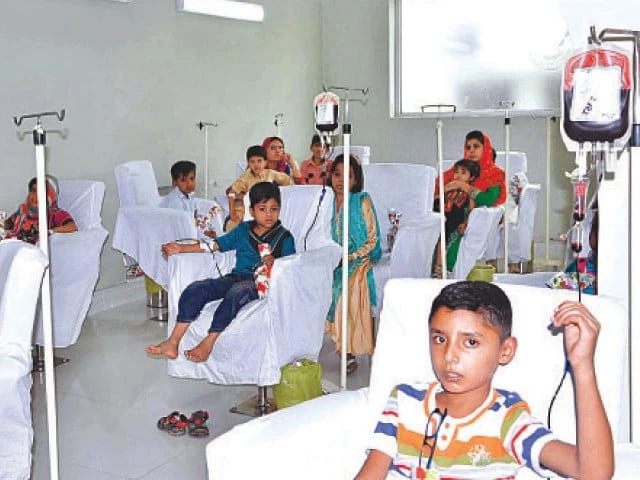
Around 5,000 children develop thalassaemia in Pakistan every year, while between 60,000 and 70,000 people are estimated to be carriers of the disease.
Health experts have stressed that thalassaemia can largely be prevented through precautionary measures, public awareness campaigns and timely screening, while calling for the establishment of specialised thalassaemia hospitals under public-private partnership models rather than relying solely on NGOs.
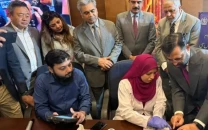
The recommendations were presented by medical experts during an awareness seminar organised by Thalassaemia Welfare Society Rawalpindi on World Thalassaemia Day. Among those addressing the event were Sardar Yasir Ilyas, Major General (retd) Sohail Ahmed, Major General (retd) Professor Parvez Ahmed, former provincial health minister Dr Jamal Nasir, Major General (retd) Abid Latif and Dr Abdul Qayyum Awan.
Speakers noted that if thalassaemia is diagnosed during pregnancy, families should not wait until childbirth to consider medical options, as raising a child born with the disorder can become an immense emotional and financial challenge.
Experts further revealed that the first successful bone marrow transplant for a thalassaemia patient at the Thalassaemia Welfare Society Rawalpindi hospital was carried out in June 2022. The hospital is also registered with international forums relating to bone marrow transplantation.
They said several NGOs were already working for thalassaemia prevention, awareness and treatment, but emphasised that collective efforts were required to combat the disease effectively.
The experts called for the establishment of dedicated centres under public-private partnerships to provide awareness, diagnosis and treatment facilities.
Highlighting the importance of blood donation in thalassaemia treatment, speakers said a single bottle of donated blood could benefit up to four patients.
During the seminar, Iqra Saqib presented an essay on thalassaemia, while a documentary screened at the event explained that the disease is a genetic disorder that reduces oxygen levels in the blood. A singer who had recovered from thalassaemia also performed.
Representatives of the Thalassaemia Welfare Society said the organisation receives support from Bait-ul-Mal, a German NGO and philanthropists, while academic assistance is being provided by universities across the country.






This material may not be published, broadcast, rewritten, redistributed or derived from. Unless otherwise stated, all content is copyrighted © 2026 The Express Tribune.






COMMENTS
Comments are moderated and generally will be posted if they are on-topic and not abusive.
For more information, please see our Comments FAQ