Katseye’s Manon speaks out after being left out of ‘Pinky Up’ promo
Updated 27 minutes ago

In 1990, Dahl said he had 'become antisemitic' while making claims about Jewish influence in media and politics
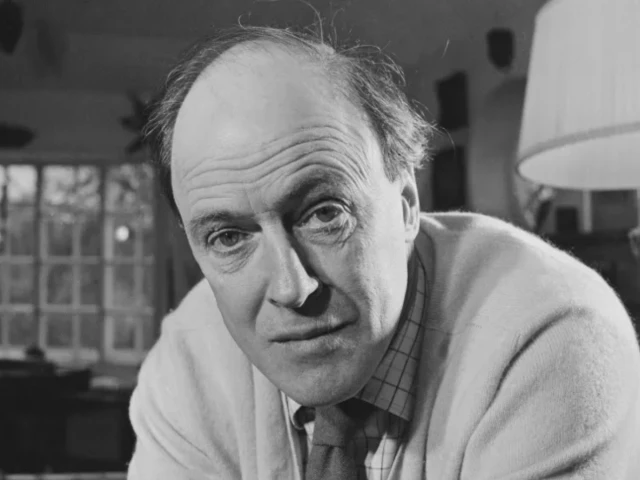
Roald Dahl remains one of the most celebrated children’s authors in literary history, known for classics such as Matilda, Charlie and the Chocolate Factory and The BFG. But alongside his beloved stories, the author’s legacy has been clouded by a history of antisemitic remarks that have sparked ongoing debate about separating an artist from their work.
The controversy largely stems from comments Dahl made in interviews during the 1980s and shortly before his death in 1990. In a 1983 interview with the British magazine New Statesman, he suggested that Jewish people possessed traits that “provoke animosity” and even implied that antisemitism had a reason for existing — remarks widely condemned as antisemitic.
Years later, Dahl doubled down on similar views. In a 1990 interview with The Independent, he said he had “become antisemitic,” while making claims about Jewish influence in media and politics. The comments reinforced criticism of the author and have remained a focal point of debates about his legacy.
The backlash over those remarks has continued long after Dahl’s death in 1990. In 2014, the U.K.’s Royal Mint reportedly chose not to issue a commemorative coin marking the centenary of his birth due to concerns about his reputation.
In 2020, Dahl’s family and the Roald Dahl Story Company publicly apologized for the author’s statements, acknowledging that they caused “lasting and understandable hurt.” The statement said the comments were incomprehensible to them and did not reflect the values expressed in his stories.
The issue has resurfaced again in recent years through cultural projects examining Dahl’s life. The stage play Giant, which has transferred from London to Broadway, dramatizes the fallout from his controversial statements and explores the complicated legacy of a writer whose imagination captivated generations of young readers while his personal views drew widespread criticism.
Today, Dahl’s work continues to be widely read and adapted for film, television and stage. Yet discussions about his antisemitic comments remain part of the broader conversation about how to reconcile the enduring popularity of his stories with the troubling aspects of his personal beliefs.














This material may not be published, broadcast, rewritten, redistributed or derived from. Unless otherwise stated, all content is copyrighted © 2026 The Express Tribune.






COMMENTS
Comments are moderated and generally will be posted if they are on-topic and not abusive.
For more information, please see our Comments FAQ