Craig T. Nelson pays tribute to 'Coach' co-star Shelley Fabares after her death at 82
Updated 3 hours ago

Borrowed nostalgia allows people to romanticise a time they know through stories, films, social media, older siblings
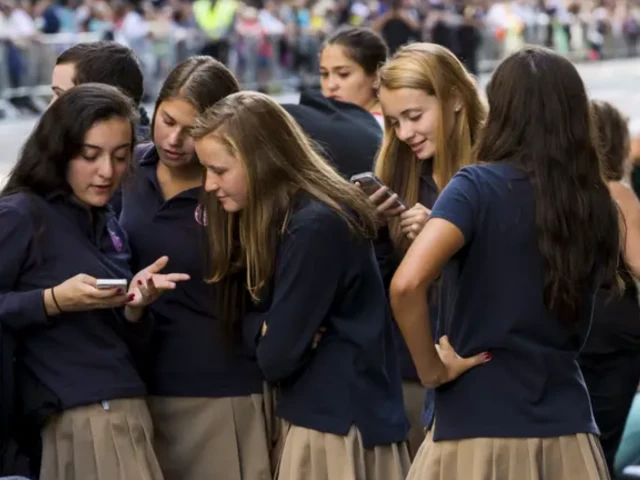
Gen Z's fascination with flip phones, Y2K fashion and vintage pop culture isn't simply about revisiting childhood memories, it's increasingly driven by what experts are calling "borrowed nostalgia," a phenomenon where younger generations develop emotional attachments to eras they never actually experienced. According to a new Variety report, millennials have become the primary source of that nostalgia, passing down the culture that shaped them to a new generation.
Unlike traditional nostalgia, which centres on personal memories, borrowed nostalgia allows people to romanticise a period they know only through stories, films, social media or older siblings. Researchers say the trend has become especially prominent among Gen Z, with 65% reporting feelings of nostalgia for cultural moments they never lived through.
The phenomenon is evident across entertainment and fashion. Gen Z has fuelled the revival of early-2000s trends including low-rise jeans, flip phones, digital cameras, pop-punk music and films from the late 1990s and 2000s. Television series such as Gilmore Girls, Friends and Gossip Girl have found new audiences years after ending, while artists like Britney Spears, Avril Lavigne and One Direction continue to attract younger fans discovering their music for the first time.
Experts interviewed by Variety argue that millennials are playing a central role in the cycle by curating the media, fashion and internet culture they grew up with. Through TikTok edits, YouTube compilations and streaming platforms, they have effectively introduced Gen Z to a version of the past that often feels more appealing than the present.
The trend has also become a powerful commercial tool. Studios have increasingly relied on legacy franchises and reboots, while fashion brands continue to revive styles from the late 1990s and early 2000s. Nostalgia-driven releases such as Toy Story 5, alongside renewed interest in classic Disney Channel series and Y2K aesthetics, reflect how entertainment companies are increasingly targeting both millennials who remember the originals and Gen Z audiences discovering them for the first time.
Psychologists suggest borrowed nostalgia offers comfort during periods of uncertainty, allowing younger people to imagine a simpler or more optimistic era. Rather than focusing on historical accuracy, the emotion is often shaped by idealised online representations of the past, creating a shared cultural experience between generations.
As nostalgia continues to dominate music, fashion and film, experts believe the boundary between generations is becoming increasingly blurred. For Gen Z, the past is no longer limited to lived experience, it has become something that can be inherited, reshaped and celebrated through the memories of millennials, proving that nostalgia itself has become a form of cultural currency.











This material may not be published, broadcast, rewritten, redistributed or derived from. Unless otherwise stated, all content is copyrighted © 2026 The Express Tribune.






COMMENTS
Comments are moderated and generally will be posted if they are on-topic and not abusive.
For more information, please see our Comments FAQ