Security tightened across Sindh on Eid
Updated 8 minutes ago

Covers infrastructure, health, governance, education, and public relief initiatives
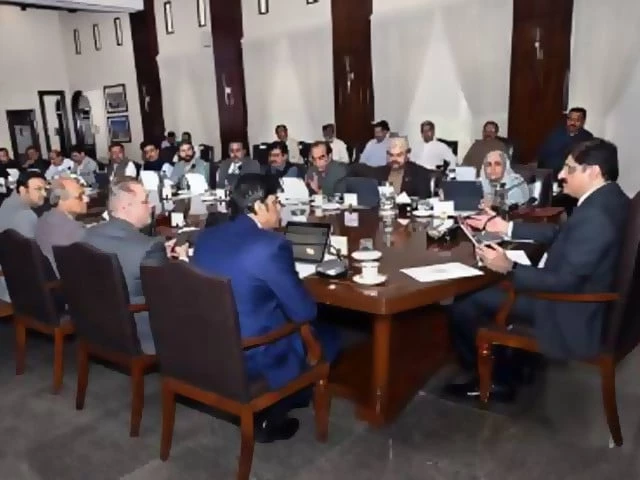
Sindh Chief Minister Murad Ali Shah has approved a comprehensive development, welfare, and reform agenda worth over Rs30 billion, covering infrastructure, health, governance, education, and public relief initiatives.
Chairing a cabinet meeting, he said the government is committed to accelerating development while providing direct relief to people affected by inflation and economic pressures. He emphasised simultaneous focus on infrastructure improvement, social protection, healthcare reforms, digital governance, and institutional strengthening.
Relief for Fishermen
The cabinet approved Rs515 million fuel subsidy package for fishermen of Karachi, Thatta, Sujawal, and Badin. The one-time payment will cover two months of fuel costs, as rising diesel prices have reduced fish production by 20% and impacted livelihoods. Around 9,634 registered boats will benefit, with smaller boats receiving targeted support. Subsidies will be disbursed directly into bank accounts after verification.
Local govt projects
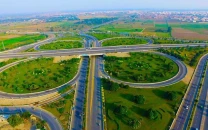
The cabinet approved multiple development schemes. These include Rs147.2 million for the design of a 1.12km bridge over the Indus River between Hyderabad and Kotri; Rs252.2 million for a cemetery in Hyderabad; Rs800 million for water supply lines in Qasimabad; Rs500 million for a sports complex in Latifabad; Rs1.2 billion for road expansion and drainage systems; and Rs900 million for a drainage channel project.
Karachi infrastructure
A grant of Rs6.5 billion was approved for the restoration of roads across 24 town municipal corporations in Karachi. The chief minister directed immediate release of funds. Additionally, Rs2 billion was approved for the completion of an S-III sewage treatment project phase. An amount of Rs4 billion was approved to improve drainage system in Larkana.
The cabinet approved Rs48.9 million for digitisation of cases in district courts and issuance of electronically certified copies. Funds were also allocated for court buildings in Moro and support for Pir Ilahi Bux Law College in Dadu.
The cabinet also approved Rs635.48 million for a 50-bed trauma and emergency centre at Ghulam Muhammad Medical College Hospital Sukkur. Trauma centre to be operational by June 2026. Rs80 million was approved for an orphanage in Umerkot.
The cabinet okayed Rs90 million for an Early Childhood Education building at St. Patrick's High School Karachi; Rs 86.5 million for Sindh Job Portal operations, while funding was also approved for 'Indus AI Week 2026'.
The cabinet approved Rs 615.7 million for restructuring of Sehwan Development Authority. Anti-encroachment tribunal approved for Shaheed Benazirabad Division; 500 acres allocated in Malir for a mega cemetery in Karachi.
Subsidies and Tax Relief
Motorcycle fuel subsidy has been extended until May 31, 2026, with Rs2 billion allocated for the programme. Over 548,000 applicants have already received Rs 2,000 each.
Sales tax on motorcycle ride services has been reduced from 5% to 2% to support low-income drivers.
The cabinet endorsed the World Bank-backed 'Pak Flow' project to reduce methane emissions at Jam Chakro landfill and generate carbon credits. A China Desk will be established in the Investment Department to facilitate agreements following President Asif Ali Zardari's recent visit to China.
The cabinet approved amendments to human rights laws, incorporating 'Business and Human Rights' principles and extending tenure of commission members.
New recruitment rules were approved for Sindh's education boards to ensure merit-based hiring through a standardised selection process.
The meeting concluded with the approval of key appointments, including Faisal Malik as Member (Finance and Policy) of the Sindh Electric Power Regulatory Authority (SEPRA).




This material may not be published, broadcast, rewritten, redistributed or derived from. Unless otherwise stated, all content is copyrighted © 2026 The Express Tribune.







COMMENTS
Comments are moderated and generally will be posted if they are on-topic and not abusive.
For more information, please see our Comments FAQ