Jonas Brothers family restaurant shuts down Las Vegas location
Updated 21 minutes ago

Concerns over generative AI use in games like Crimson Desert spark debate on development transparency
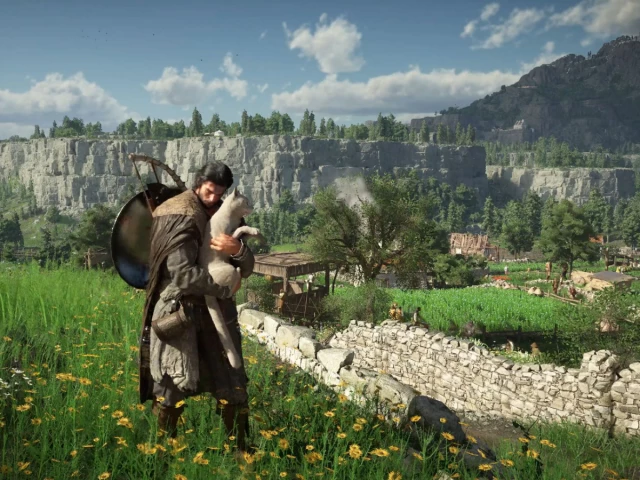
Crimson Desert has drawn attention not only for its large-scale open-world design but also for ongoing concerns regarding the use of generative AI in game development.
While the game features an expansive setting and encourages exploration in a style often compared to titles such as The Legend of Zelda: Breath of the Wild, its reception has been complicated by debate over whether AI-generated assets were used during production.
Developer Pearl Abyss released Crimson Desert on March 19, with reports citing issues including unpolished visuals, control design concerns and a storage system described by some players as frustrating.
Players also identified what appeared to be AI-generated placeholder art within the game. These assets were later removed, and the developer added an AI use disclosure to its Steam page following community discussion.
According to Pearl Abyss, the AI-generated material was used as temporary placeholder content and was unintentionally left in the final build. The studio stated that it has since conducted a review to remove remaining instances and improve transparency around asset usage.
Critics of generative AI in games argue that its use for placeholder content raises concerns about transparency and creative labour practices, particularly when undisclosed.
Supporters within the industry have suggested AI can reduce production time for non-final assets, though debates continue regarding disclosure standards and ethical sourcing of training data.










This material may not be published, broadcast, rewritten, redistributed or derived from. Unless otherwise stated, all content is copyrighted © 2026 The Express Tribune.












COMMENTS
Comments are moderated and generally will be posted if they are on-topic and not abusive.
For more information, please see our Comments FAQ