Offloaded passengers create chaos at airport
Updated 12 hours ago

Govt promises incentives, infrastructure for new industrial zones
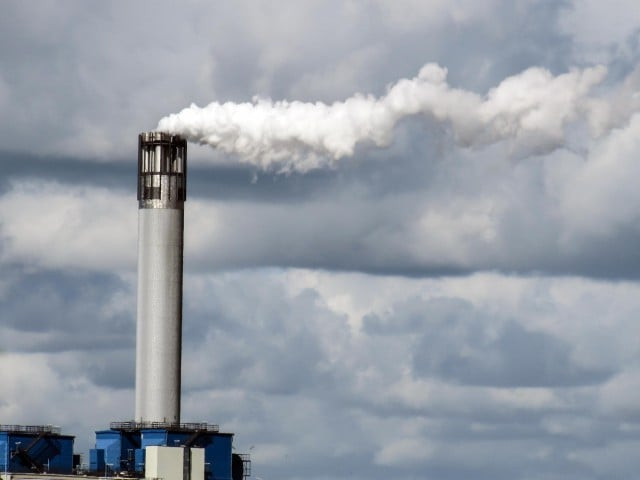
In a step towards environmental reform, the Faisalabad divisional administration has initiated the relocation of hazardous industrial units from densely populated urban areas to designated industrial zones, ending decades of stalled commitments dating back nearly 40 years.
The move aligns with long-standing recommendations outlined in key planning documents, including the Structure Plan 1986, Master Plan 1992, Faisalabad Area Upgradation Project 1993, Traffic Management and Transportation Plan 1997, Peri-Urban Structure Plan 2015, and the Master Plan 2021.
A formal memorandum of understanding (MoU) was signed at the Commissioner's Office between the divisional administration and key industrial stakeholders.
The signatories included Commissioner Faisalabad Raja Jahangir Anwar, President Chamber of Commerce Farooq Yousuf Sheikh, Chairman All Pakistan Textile Processing Mills Association Bao Muhammad Akram, Senior Vice Chairman Pakistan Hosiery Manufacturers and Exporters Association Ahmed Afzal Awan, Chairman All Pakistan Textile and Sizing Industries Association Shakeel Ahmed Ansari, and Chairman Council of Power Looms Owners Association Waheed Khaliq Ramey.
Senior officials, including Director General Faisalabad Development Authority (FDA) Muhammad Asif Chaudhry, Additional Commissioner Coordination Tanveer Murtaza, and representatives from industries, environment and labour departments, were also present.
Speaking to the media, Commissioner Anwar said that in the first phase, 111 industrial units contributing to water and air pollution would be relocated to newly developed industrial zones. He termed the development a "historic milestone" and said it reflected the vision of Punjab Chief Minister Maryam Nawaz Sharif to ensure a cleaner and healthier urban environment.
He appreciated the efforts of the Industrial Relocation Sub-Committee, led by DG FDA Muhammad Asif Chaudhry, and acknowledged the cooperation of industrialists and traders who agreed to the relocation plan.
The commissioner said that facilitation measures would include allocation of land for industrial zones, provision of development funds, tax incentives on relocation, and access to soft loans. A comprehensive charter of demands, along with the MoU, will be forwarded to the federal and provincial governments for approval.
Under the agreement, the administration will identify hazardous units, propose land for two industrial zones, and coordinate with relevant departments to ensure infrastructure development, including roads, electricity, gas, water supply, drainage systems, and waste management facilities.
To encourage compliance, authorities are also considering an inspection-free operational framework, one-window facilitation, installation of effluent treatment plants (ETPs), and tax holidays of three to five years.
A joint coordination committee comprising stakeholders will be established at the commissioner's office to monitor progress and address operational challenges.











This material may not be published, broadcast, rewritten, redistributed or derived from. Unless otherwise stated, all content is copyrighted © 2026 The Express Tribune.









COMMENTS (1)
Comments are moderated and generally will be posted if they are on-topic and not abusive.
For more information, please see our Comments FAQ