'Iqbal's vision still resonates'
Updated 17 hours ago

Climate change, industrial pollution and illegal hunting have jeopardised survival of exotic winged creatures in Sindh
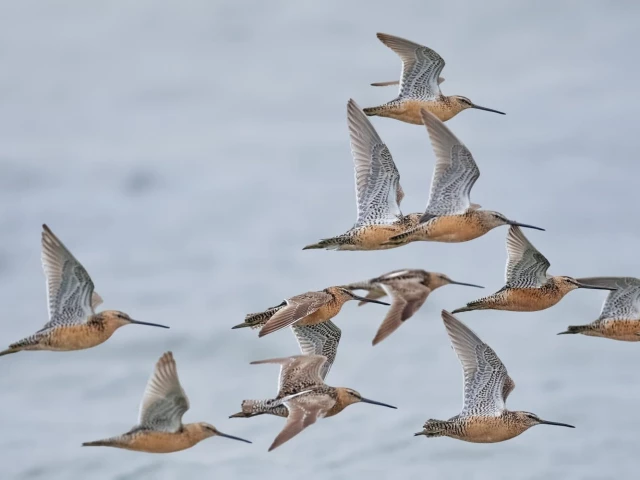
Migratory birds from Siberia have been arriving in far fewer numbers in Sindh over the past several years, a decline that has been linked to damaged habitats, climate change, pollution, and widespread illegal hunting.
Thirty years ago, Sindh's lakes and wetlands hosted vast flocks of migratory birds each winter, but today, many birds bypass the province altogether, continuing to the neighboring country, where the environment is more conducive for their survival. In the late 1980s and early 1990s, surveys often counted over a million birds, especially when aerial surveys were conducted with international funding. The largest ground count took place in 1992, with nearly 1.7 million birds recorded.
Regrettably, however, no aerial survey has been carried out for more than three decades, and recent ground-based counts show far lower numbers. Since 2017, annual January surveys have generally found between 500,000 and 700,000 birds, significantly fewer than historic levels, indicating shrinking populations and degraded habitats. The January 2025 census recorded just over 545,000 birds.
According to Khursheed Ali, Editor of the Wildlife and Environment Magazine, several factors have converged to cause this decline. "Climate patterns in interior Sindh have changed dramatically, producing alternating periods of drought and heavy flooding. Many historic wetlands in Tharparkar, Sanghar, Nawabshah, and Khairpur have vanished during drought years," said Ali.
"Coastal waters are polluted by sewage and industrial waste, and Haleji Lake, once a major sanctuary, has deteriorated due to reduced inflow of fresh water since Keenjhar Lake's supply was redirected directly to Karachi. Encroachment is another significant issue, with wetlands increasingly converted into agricultural plots, fish farms, or housing," explained Ali.
On the other hand, illegal hunting and trapping have also emerged as a significantly perilous problem. What was once small-scale, hobby-based hunting has evolved into large, often boastful hunts shared online. Since birds seek quiet and safe resting sites, this constant disturbance drives them toward regions offering better protection. Hence, Ali believed that without improved enforcement and widespread public awareness, Sindh would continue to lose migratory species.
Dr Karim Gabol, Associate Professor of Zoology at the University of Karachi noted that Pakistan was among the list of countries most vulnerable to climate change. "Melting glaciers, unpredictable rainfall, and extreme weather have disrupted natural cycles and degraded wetlands across the country. Illegal trapping has increased particularly in Sindh and Punjab. Despite Pakistan having nineteen Ramsar designated wetlands, weak implementation of conservation laws has diminished their impact," said Dr Gabol.
Researcher Azan Karam from the World Pheasant Association added that many water bodies had been converted to farmlands, while those that remained were contaminated by agricultural chemicals. "Lead from discarded hunting cartridges further harms birds and aquatic life. Climate change has also shifted migration timings, with several duck species now arriving weeks later than they once did," informed Karam.
Conversely, conservationist Salman Baloch highlighted the open bird trade in Sindh, especially in Karachi's Saddar market, as a result of which even endangered species were on sale. "Nest-raiding, particularly for parrot chicks, has become common because chicks sell at high prices. Stronger law enforcement and public education are essential for reversing population declines," urged Baloch.
According to a Sindh Wildlife Department official, regulated hunting was allowed through limited licenses, which imposed strict quotas on ducks, partridges, and quails. However, Deputy Conservator Mumtaz Soomro admitted that the department faced severe shortages of staff, funds, and vehicles, with nearly half of its workforce retired, and recruitment freezes preventing replacements.
Requests for new hiring and staff training have been sent to the government. Despite limited resources, the department continues to conduct raids against illegal hunting and trading, though officials acknowledged that far more needed to be done to protect Sindh's remaining bird habitats and restore migratory populations.



















This material may not be published, broadcast, rewritten, redistributed or derived from. Unless otherwise stated, all content is copyrighted © 2026 The Express Tribune.






COMMENTS
Comments are moderated and generally will be posted if they are on-topic and not abusive.
For more information, please see our Comments FAQ