IMF may lend $50b to war-hit nations
Updated 3 hours ago

Strategy includes habitat restoration and safer river flows to protect the country’s iconic freshwater species
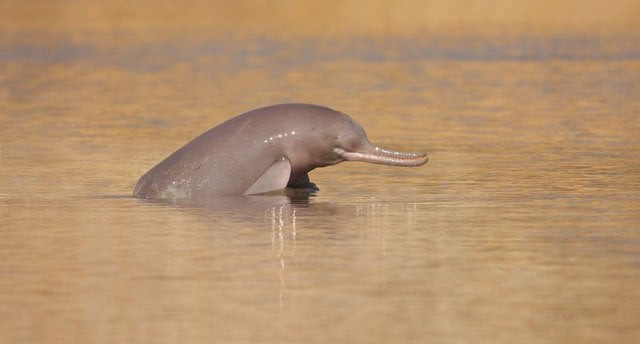
Pakistan, working with WWF-Pakistan and federal and provincial departments, is developing a five-year national strategy to conserve the endangered Indus river dolphin, officials said. The plan, still under consultation, aims to protect the species and restore its riverine habitat through coordinated action across provinces.
“The first Indus Dolphin Conservation Action Plan was drawn up in 2011,” said Hammad Naqi, director general of WWF-Pakistan. “Shifts in river ecology and new threats mean the plan needs a comprehensive review and updating.”
WWF-Pakistan and the federal and provincial wildlife, fisheries, environment, and irrigation departments including Punjab, Sindh, and Khyber Pakhtunkhwa agencies have held consultations to build consensus on the plan’s key elements, officials said.
Naqi said dolphin numbers remain lower in Punjab than in Sindh and that unsustainable fishing practices including illegal or harmful nets are the greatest immediate threat in the Punjab stretch. Experts also warned that reduced river flows, pollution, and riverbank degradation compound the risk.
Population estimates have improved in recent decades though figures vary by source. A large survey in 2017 recorded about 1,816 dolphins between Chashma and Sukkur while WWF-Pakistan officials say current estimates are close to 2,000.
At a recent meeting in Islamabad, stakeholders reviewed progress since 2011 and called for stepped-up scientific research to provide reliable long-term data on population trends, habitat condition, water-flow patterns, and climate change impacts. Experts said such data are essential to design and evaluate conservation interventions.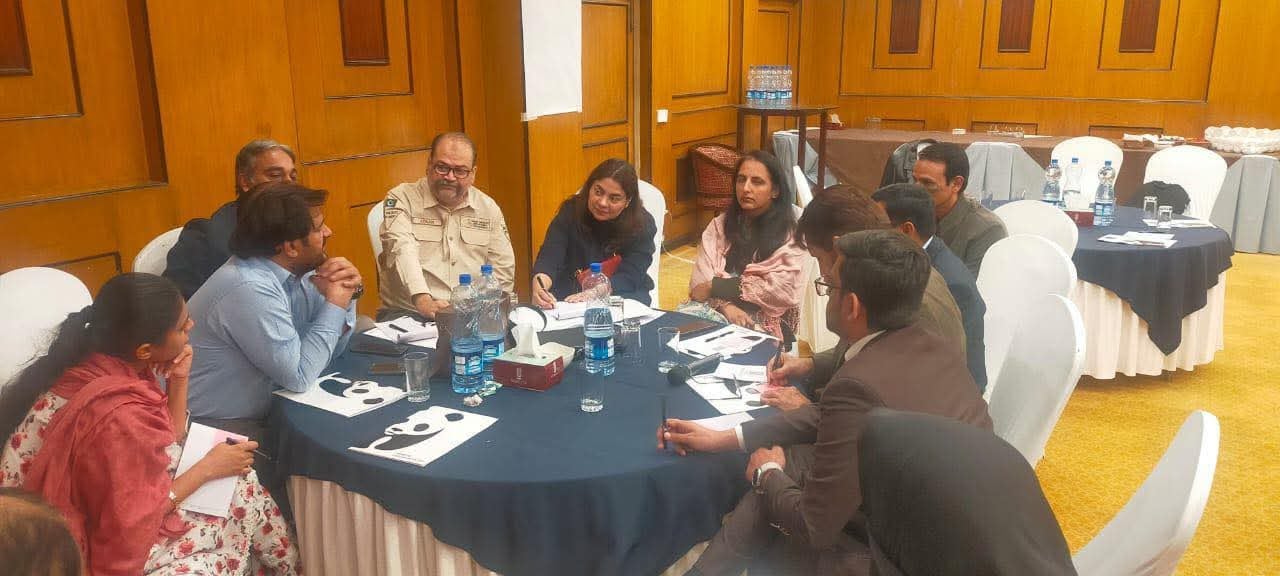
Read: Giant algae blooms on the ocean's surface are poisoning Karachi's fish
Participants also highlighted the urgency of restoring river ecosystems and associated wetlands, securing high-risk zones, and improving water-flow management through measures that can be enforced immediately on the ground. According to specialists, robust coordination between federal and provincial institutions will be central to the success of the new plan.
Proposed elements of the action plan include increasing dolphin numbers through focused protection, rehabilitating riverine and wetland habitats, nominating critical sites for international recognition such as Ramsar or UNESCO Man and Biosphere status, strengthening law enforcement, expanding rescue and monitoring units, and a major push on community participation and youth awareness.
The 2011 plan updated earlier conservation measures. The critical stretch between Guddu and Sukkur, long recognised as core dolphin habitat, has been protected under earlier arrangements. Previous plans recommended a joint coordination committee and rescue units for dolphins that stray into irrigation canals. The 2011 plan also emphasised minimum environmental flows, reducing harmful nets, and training fishing communities.
Sheikh Muhammad Zahid, additional chief wildlife ranger for south Punjab, said the Indus dolphin is protected under wildlife law and that strict measures are enforced where populations persist. He noted sizeable populations between Chashma and Sukkur barrages and said monitoring and scientific assessments are being strengthened. Officials and specialists said the new strategy will set a clear direction for the species’ long-term survival and mark a step toward safeguarding Pakistan’s freshwater ecosystems.















This material may not be published, broadcast, rewritten, redistributed or derived from. Unless otherwise stated, all content is copyrighted © 2026 The Express Tribune.







COMMENTS (1)
Comments are moderated and generally will be posted if they are on-topic and not abusive.
For more information, please see our Comments FAQ