
Not at full capacity: Sindh agriculture underperforming
Province suffering due to ineffective policies.
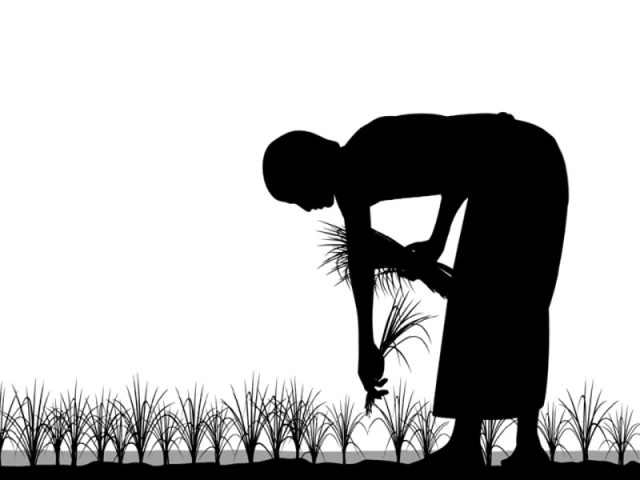
Spurious fertilisers, pesticides and uncertified seeds are being used in Sindh which have badly affected the agricultural sector. CREATIVE COMMONS
Experts at a workshop on Saturday called for introducing a sustainable agricultural policy in Sindh to enhance livelihood for farmers and alleviate poverty. They also established a forum headed by SEARCH Pakistan for ensuring a farmer-friendly agriculture policy in the province.
Spurious fertilisers, pesticides and uncertified seeds are being used in Sindh which have badly affected the agricultural sector, said Professor Dr Fateh Mohammad Soomro of Sindh Agriculture University Tando Jam. He was addressing a consultative workshop on sustainable agriculture in Sindh organised by SEARCH Pakistan in collaboration with ActionAid Pakistan at SPO office Hyderabad.
Soomro said that Sindh had witnessed ineffective agriculture policies due to the inefficiency of officials assigned to formulate them. He stressed the need to educate farmers about the use of right seeds and fertilisers.
He said that there is a need to ensure sustainable agriculture policy and implement it in the real sense. Agriculture plays a vital role for the contribution to GDP and employment; hence, it is a must to give more importance to this sector.
Soomro said that farmers are provided very low sugarcane prices and this is due to the monopoly of industrialists who are involved in these policies. Top officials are paying more attention towards industrialisation and leaving the agricultural sector to face its problems.
SEARCH Pakistan Executive Director Waheed Jamali said Sindh is running without an agricultural policy after the 18th Amendment.
He said worldwide arable land is already less than 0.2 hectare (ha) per capita at present, and is expected to further shrink to 0.15 in 2050. The situation is extremely alarming in Pakistan, where per capita land availability has progressively declined to 0.15 ha at present, shrinking further to 0.06 ha by 2050.
Jamali said similarly, the per capita water availability has dropped from 5,600 cu meters to 1,200 cu meters, which could slip further to the water-deficient level below 1,000 cu meters per year by 2010 onwards.
Published in The Express Tribune, June 1st, 2014.
Like Business on Facebook, follow @TribuneBiz on Twitter to stay informed and join in the conversation.
LATEST

PSX gains trimmed as profit-taking limits early rally to 960 points
FinMin says Pakistan regaining macroeconomic stability, investor confidence

Gold, silver extend declines in international and domestic markets
Oil prices dip, most stocks rise on lingering Iran peace hopes

SBP receives $1b from Saudi Arabia, second tranche of $3b deposit

Auto industry bucks SUV trend
MOST READ

Govt moves to end used car influx

Gold, silver prices drop across global and local markets

Sindh expands free Pink Scooty scheme to Hyderabad

IMF loads $7 billion package with 11 new conditions for govt

New Iran deal 'far better' than Obama nuclear deal, coming 'relatively quickly': Trump










COMMENTS
Comments are moderated and generally will be posted if they are on-topic and not abusive.
For more information, please see our Comments FAQ