Matt Damon reveals he turned down lead role in hit comedy ‘Ted’
Updated 2 hours ago

ADOR says a separate youth agreement covered protections until members reached adulthood
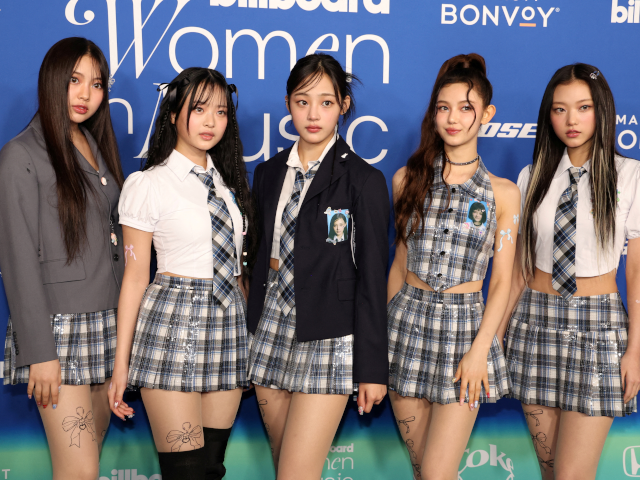
A report examining NewJeans’ contracts with ADOR has raised questions about protections for young performers, after finding that agreements signed by the members omitted safeguards in South Korea’s standard entertainment contract.
The New York Times obtained the contracts, which the five members signed in 2022 when they were between 14 and 17. According to its findings, the agreements did not include wording guaranteeing minors’ physical and mental health, education, sleep and rest. The report also identified missing provisions against excessive working hours and sexually suggestive performances involving underage artists.
Instead, the contracts contained restrictions on conduct, including clauses concerning an “insincere attitude” and “inappropriate romantic relationships”. The newspaper also reported that ADOR received rights to use the members’ names, images and voices, potentially including AI chatbots or digital replicas, after their contracts ended.
The findings prompted responses from HYBE and ADOR. HYBE told the newspaper that it follows child protection laws and provides safe conditions for artists and trainees.
ADOR issued a statement on November 6, disputing the suggestion that protections for minors were absent. The label said HYBE companies use a standard youth agreement covering personal rights, education, sleep and rest, which remains effective until trainees reach adulthood. It also said the NewJeans contracts contained basic human rights protections and were negotiated over three months with legal review.
The report described demanding training schedules, including rehearsals that could continue until 2am, and said one member’s parent sought changes to the contract.
The revelations come amid the dispute between NewJeans and ADOR. The group announced plans to leave the label in November 2024, arguing that it had breached its obligations. ADOR rejected that position, and a court later upheld the contract’s validity.
The competing accounts place the group’s agreements under scrutiny, particularly safeguards for performers who sign entertainment contracts as minors.















This material may not be published, broadcast, rewritten, redistributed or derived from. Unless otherwise stated, all content is copyrighted © 2026 The Express Tribune.






COMMENTS
Comments are moderated and generally will be posted if they are on-topic and not abusive.
For more information, please see our Comments FAQ