FinMin seeks BB rating, $1.5b financing
Updated 54 minutes ago

Short-term inflation holds above 11% YoY, driven by energy shock from regional war
Pakistan's short-term inflation remained in double digits at 11.38% year-on-year for the week ended October 15, 2026 as the fallout from the Middle East conflict continued to keep energy prices elevated, according to data released by the Pakistan Bureau of Statistics (PBS).
The Sensitive Price Indicator (SPI), which tracks 51 essential items from 50 markets in 17 cities, edged down 0.04% week-on-week. The combined index stood at 372.43 against 372.58 a week earlier and 334.39 in the corresponding week of last year.
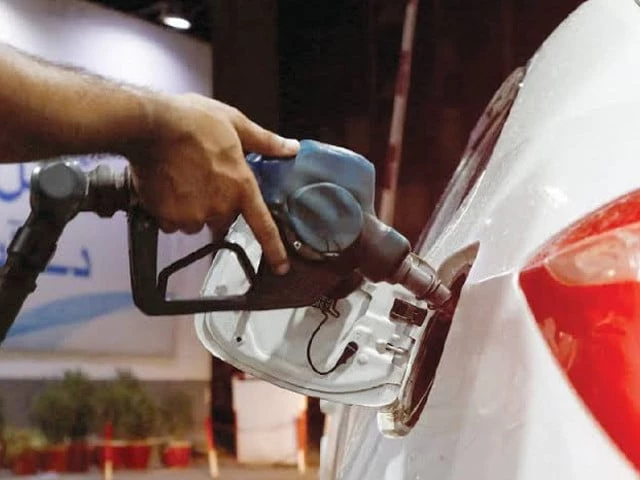
The year-on-year reading has stayed above 10% for several consecutive weeks, driven mainly by sharp increases in fuel and related costs linked to the US-Iran war, disruptions around the Strait of Hormuz and Houthi attacks affecting regional supply routes. Petrol was 49.60% higher than a year earlier, diesel rose 43.98% and LPG jumped 68.95%. Electricity charges for Q1 were up 58.59%.
Among food items, onions recorded the steepest annual increase of 75.19%, followed by wheat flour (35.13%) and chicken (20.77%). Mutton rose 14.90% and beef 12.27%. On the other hand, tomatoes were 63.65% cheaper year-on-year, potatoes fell 39.93%, sugar declined 23.20% and eggs were down 19.83%.
On a weekly basis, prices of 23 items (45.10%) increased, seven items (13.72%) decreased and 21 items (41.18%) remained unchanged. The biggest weekly drops came in tomatoes (23.05%), onions (4.90%), bananas (2.59%) and petrol (0.70%). Sugar and gur also eased slightly.
Weekly gains were led by gram pulse (4.97%), wheat flour (3.36%) and chicken (3.31%). Eggs, mash pulse, masoor pulse, firewood and diesel also registered modest increases.
Across consumption quintiles, the week-on-week decline ranged from 0.01% to 0.06%. The lowest expenditure group (Q1) saw a 0.06% weekly drop and an 8.19% year-on-year rise, while the highest group (Q5) recorded a 12.09% annual increase.
The SPI serves as a key short-term gauge of price pressures faced by households. Elevated energy costs continue to feed into transport, production and food prices, keeping inflationary pressures intact despite the modest weekly easing.













This material may not be published, broadcast, rewritten, redistributed or derived from. Unless otherwise stated, all content is copyrighted © 2026 The Express Tribune.







COMMENTS
Comments are moderated and generally will be posted if they are on-topic and not abusive.
For more information, please see our Comments FAQ