Faisalabad's air quality unhealthy on most days
Updated 1 hour ago

Downpour brings citizens brief relief from air pollution
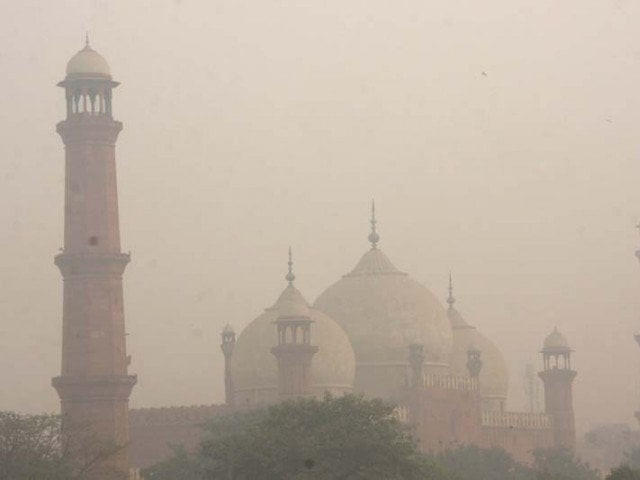
After many days of hazy skies and pollution, Lahore welcomed clear weather following rainfall with a refreshing breeze and pleasant temperatures bringing residents relief.
The rainfall in the metropolis and several other parts of Punjab brought relief from air pollution, leaving an improved air quality.
However, the respite may prove temporary, as dry weather is expected to return, raising concerns that pollutants could gradually accumulate again and intensify the seasonal smog threat in the coming days.
The Punjab Environmental Protection Agency's real-time monitoring dashboard recorded Lahore's overall Air Quality Index (AQI) at 71 at 10:00am on Thursday, placing the city in the satisfactory category.
The reading was substantially lower than the 132 recorded at the same hour a day earlier, indicating a marked improvement in the air quality.
The dashboard showed that conditions varied across monitoring stations with Multan Road recording an AQI of 109, while Safari Park reported 41.
The improvement follows a spell of rain and unsettled weather in Lahore and nearby areas. The rain that began overnight helped remove suspended particles from the atmosphere, while accompanying air movement dispersed pollutants that accumulate over urban areas.
Reduced airborne dust and improved visibility made outdoor conditions more comfortable.
The Pakistan Meteorological Department indicated that temperatures across Punjab remained moderate.
The absence of widespread rainfall means that continued improvement in air quality will depend on wind movement and the amount of pollution released into the atmosphere.
With predominantly dry conditions forecast for Lahore from Friday onwards, the immediate cleansing effect of the rain may gradually diminish.
"If emissions continue and winds remain insufficient to disperse pollutants, the city could experience another increase in particulate pollution, particularly during the early morning and nighttime hours," said an EPD official.
Punjab generally experiences its smog season from October through February, when cooler weather conditions, transport emissions, industrial smoke and other pollution sources combine to worsen air quality.
Vehicle exhaust, industrial emissions, smoke from brick kilns, construction dust and the burning of agricultural residue can contribute to the pollution.
When rain temporarily clears the atmosphere, pollution levels can rise again after the weather becomes dry.
Environmental experts regard rainfall as a short-term natural mechanism for reducing airborne particles. The duration of the improvement depends on the intensity of the rain, wind speed, humidity, atmospheric stability and the rate at which fresh emissions enter the air.
In Faisalabad, a spell of early-morning rain brought a respite from lingering heat but also inundated low-lying areas, causing inconvenience to residents, especially pedestrians.
According to a WASA spokesman, Gulfishan Colony recorded the highest precipitation at 26 millimeters, followed by Jail Road with 25mm, Ghulam Muhammad Abad and Dogar Basti 24mm each, Madina Town 22mm and Allama Iqbal Colony 21mm.
Dark clouds began gathering over the city on Wednesday evening but the rain started at around 4:00am and continued until 5:10am, turning several low-lying areas into pools. With additional input from APP














This material may not be published, broadcast, rewritten, redistributed or derived from. Unless otherwise stated, all content is copyrighted © 2026 The Express Tribune.







COMMENTS
Comments are moderated and generally will be posted if they are on-topic and not abusive.
For more information, please see our Comments FAQ