Govt increases petrol by Rs1.82, cuts diesel by 91 paisas for Oct 8
Updated 2 hours ago

Judge presses police on missing CCTV, conflicting medical opinions and handling of key evidence
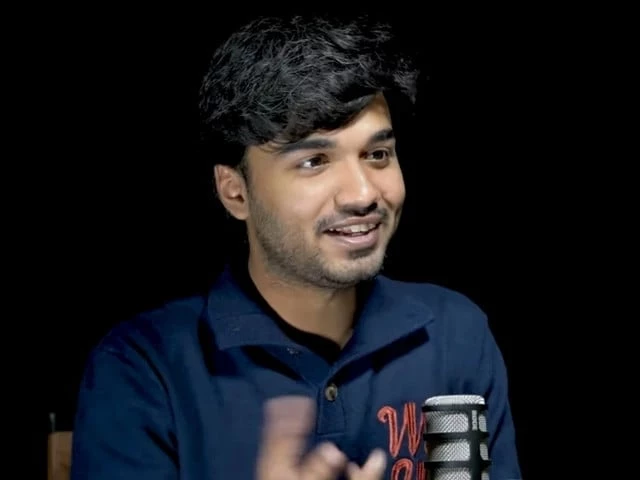
Fifteen sittings, 49 witnesses and weeks of questioning later, the judicial commission probing Mir Raza’s death concluded its proceedings on Wednesday, but several key questions surrounding the case remained unanswered.
Raza, the 25-year-old entrepreneur, went missing from Karachi’s PECHS area on July 28. His body was found the following day in bushes near a wedding hall in Gulistan-e-Johar.
The final hearing turned into a searching examination of the police investigation, with the commission questioning the handling of the crime scene, missing CCTV footage, leaked private chats, cryptocurrency transactions and conflicting medical opinions.
Investigating officer (IO) Deputy Superintendent of Police (DSP) Siraj Lashari told the commission that the probe was continuing to determine whether Raza had committed suicide or had been murdered. “Police could have easily picked up someone and beaten a confession out of them, but we want justice in this case,” he said.
Read: Judicial commission visits Mir Raza murder site, summons key witness
Lashari said a super medical board was proposed because of discrepancies between the reports of Dr Usama and Dr Summaiya Syed, adding that the circumstances and evidence contradicted both reports.
Commission head Justice Umar Sial, however, questioned why the opinion of a single doctor appeared to be carrying so much weight when an eight-member medical board had already conducted the post-mortem. “The Sindh government is facing embarrassment because of Dr Usama. One Usama appears to outweigh everyone else,” he remarked.
Citizens Police Liaison Committee (CPLC) representative Kashif told the commission that its analysis of call detail records, geofencing and CCTV footage had not produced any concrete conclusion. He said geofencing began on July 28 and 29 and no suspicious activity or unusually frequent contact with a particular number was found.
Raza’s internet remained active until 4:25am, while Apple Maps was accessed between 4:10am and 4:20am. Police approached the National Cyber Crime Investigation Agency (NCCIA) and Apple for IP-related information.
The CPLC had 46 cameras in Gulistan-e-Jauhar Blocks 1 to 4, but the incident location fell outside their coverage. Raza appeared on only three cameras. The commission also questioned five missing hours of CCTV footage from Masjid Khizra. Kashif attributed the problem to the mosque’s outdated surveillance system.
Justice Sial sharply questioned the police over the preservation of the crime scene, noting that dozens of officers had entered the area.
He also questioned the evidentiary value of footage recorded on a mobile phone by Station House Officer (SHO) Adeel Afzal and noted that a guesthouse DVR had been found in the officer’s vehicle. “The crime scene was made a mess,” the judge remarked, questioning why no action had been taken against those responsible.
درجنوں پولیس افسران شامل ہوئے جس سے کرائم سین کا کباڑا کر دیا گیا، جوڈیشل کمیشن کے سخت ریمارکس
— Express News (@ExpressNewsPK) October 7, 2026
مزید پڑھیں : https://t.co/zWtDwjnO3c#MirRazaCase #Karachi #Latestnews #Expressnews pic.twitter.com/SXkK9Q8ij7
He also asked whether the police’s claim that the crime scene unit reached the spot within 15 minutes was accurate, asking: “Is the IG Sindh lying?”
Read More: ‘You botched the case, you’re also suspicious’: Judge grills SSP over Mir Raza probe
The commission grilled Lashari over Ali Shaz, whose name had surfaced in connection with a voice note.
Justice Sial questioned whether police had adequately investigated Shaz’s movements, his departure abroad, his brother’s arrival in Karachi and his apparent concern for Raza. The judge noted that two suspicious vehicles had emerged during the investigation and that Shaz owned similar vehicles.
Lashari said investigators had found no link between Shaz and the incident and that there was no record placing him near the crime scene.
The alleged leak of private conversations between Raza and his fiancée Salwa also came under scrutiny.
Lashari confirmed that police had taken Salwa’s phone and extracted private chats. Justice Sial questioned how the chats later appeared on social media. “If a private chat has been leaked, it is a crime,” the judge said, directing police to identify those responsible and register a case if necessary.
Police also told the commission that transactions worth around Rs90 million had taken place through three cryptocurrency accounts.
Lashari said the NCCIA had been approached for details. Jibran Nasir, counsel for the family, said an examination of bank accounts had identified three individuals and cryptocurrency-related payments had reached Raza’s account.
Lashari said a review of the crypto account showed a shortfall of around Rs30 million, apparently treated by the platform as a loss.
Justice Sial directed police to obtain the platform’s profit-and-loss ledger to establish the actual position.
At the close of proceedings, Justice Sial told Raza’s family that their concerns had proved justified. “No government representative contacted or met us,” he said, adding that the family had not been provided sufficient information. “Had you been kept informed, the situation would have been different,” he said.
Also Read: Mir Raza commission seeks answers from senior police officers
He rejected criticism that the commission had given the case an ethnic colour and defended questioning people associated with a mosque. “We questioned those whom we found suspicious. Saying that someone should not be questioned merely because of a mosque is not right,” he said.
Lashari said the police wanted justice rather than simply arresting someone and forcing a confession. “Whether it is suicide or murder, the investigation is continuing. Whatever the truth is, it will come out,” he said.
According to commission Registrar Abdul Majid, 15 sittings were held, and statements of 49 witnesses were recorded. The commission had concluded its proceedings and would now prepare its report and recommendations. Justice Sial said the report would be placed at the disposal of the chief minister.
The judicial commission was constituted on August 24, while the Sindh cabinet approved an extension of its tenure on October 1.
The case findings
Police initially treated Raza's death as a possible suicide, but the court ordered a second post-mortem exam to conclusively determine the cause of death after the first post-mortem report failed to give detailed insight into the victim’s demise. The second autopsy conducted after Raza’s exhumation found a firearm entry wound, multiple ante-mortem injuries and signs of internal bleeding, leading investigators to treat the case as murder.
The initial post-mortem had faced several objections, with the Karachi police surgeon identifying 14 deficiencies, including the absence of an X-ray, failure to collect hand swabs for gunshot-residue analysis and the lack of chemical examination of gunpowder marks around the bullet wound.
Also Read: Mir Raza judicial commission’s term extended until October 15
The investigation subsequently came under scrutiny from Raza’s family, who alleged serious lapses in the handling of evidence and CCTV footage and sought the formation of a joint investigation team. The Sindh High Court later rejected the family’s plea for a JIT but directed the relevant authorities to conduct the investigation impartially, fairly and expeditiously.
Police told a Senate committee in September that they had recorded statements from 78 people but had not found evidence linking anyone to Raza’s alleged murder. Investigators nevertheless continued to treat the case as murder, while reviewing medical, chemical, forensic and digital evidence.
The Sindh government had meanwhile established a judicial commission headed by Sindh High Court Justice Umar Sial to examine the circumstances surrounding Raza’s death, the conduct of the investigation and any possible negligence or concealment of evidence by police or other officials.
The judicial commission had so far examined police records, witness statements and the circumstances surrounding Mir Raza Ali’s death, with its proceedings raising discrepancies in witness accounts, the handling of evidence and the initial post-mortem. The commission also questioned senior police and health officials over the investigation, including the handling of CCTV footage, Raza’s phone and smartwatch, and the initial focus on a possible suicide.












This material may not be published, broadcast, rewritten, redistributed or derived from. Unless otherwise stated, all content is copyrighted © 2026 The Express Tribune.





COMMENTS
Comments are moderated and generally will be posted if they are on-topic and not abusive.
For more information, please see our Comments FAQ