Luxury car driver drags man, bike on road
Updated 16 hours ago

UNESCO Tentative List now features country's 37 historic and cultural sites
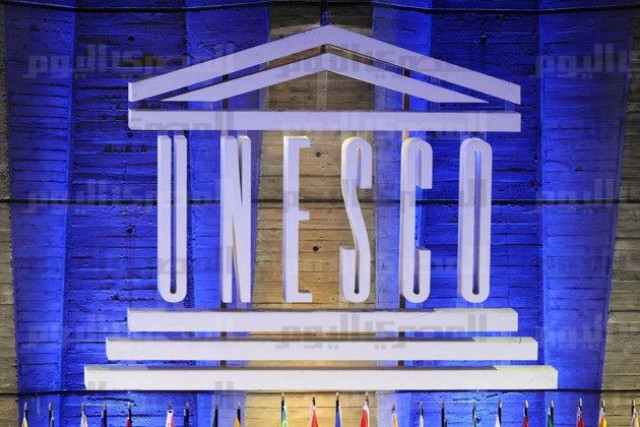
The year 2026 has proved significant for Pakistan's thousands of years of historical, cultural and civilisational heritage, with the UNESCO World Heritage Centre adding 12 sites to the country's World Heritage Tentative List, taking the total number of sites on the list to 37.
According to the latest UNESCO records, the new additions comprise Archaeological Complex of Gor Khatri, Bazira-Barikot, the Bhamala Buddhist Complex, Sethi House and Mai Qamro Mosque in Khyber-Pakhtunkhwa; Pharwala Fort, Rewat Fort and the Tomb of Sultan Muqarrab Khan in Punjab; Kot Diji, Naukot and Umerkot Forts in Sindh; and the Kalasha Valley Cultural Landscape in Chitral.
The Kalasha Valley Cultural Landscape was added on March 9, 2026, while Kot Diji, Naukot and Umerkot Forts were included on March 18. The remaining eight sites were added on May 11.
The latest additions span several periods of Pakistan's history and reflect the country's cultural diversity, ranging from Gandharan and Buddhist heritage and ancient settlements to Islamic architecture, Mughal-era history, fortified landscapes and living cultural traditions.
K-P accounts for five of the new entries. Bazira-Barikot in Swat is an important archaeological site associated with the ancient Gandhara region. Excavations have uncovered evidence of early settlement, urban life and successive cultural phases. Bazira is also linked to the historical context of Alexander the Great's campaign in the subcontinent and subsequently became part of the wider Gandharan and Buddhist cultural landscape.
The Bhamala Buddhist Complex in Haripur represents an important example of Gandharan Buddhist heritage. Gandharan art emerged from an interaction between local and Hellenistic artistic traditions and exerted a lasting influence across Afghanistan, Pakistan and parts of Central and South Asia.
Gor Khatri reflects Peshawar's long and complex urban history. For centuries, the city served as a major corridor connecting the Indian subcontinent with Afghanistan and Central Asia, bringing together influences from successive civilisations, religions and empires.













This material may not be published, broadcast, rewritten, redistributed or derived from. Unless otherwise stated, all content is copyrighted © 2026 The Express Tribune.





COMMENTS
Comments are moderated and generally will be posted if they are on-topic and not abusive.
For more information, please see our Comments FAQ