Need for accessible education highlighted
Updated 17 hours ago

Millers demand fresh price review, saying flour costs Rs140 per kg to produce; local officials accused of 'unlawful r
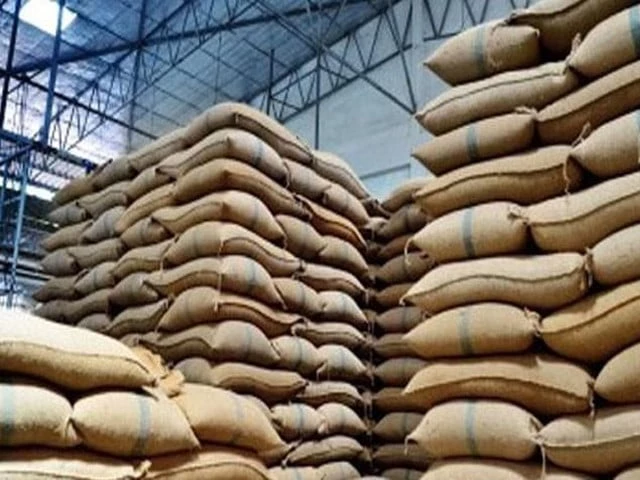
Flour mill owners across Umerkot district have refused to accept the administration's fixed flour price of Rs128 per kilogram, saying soaring wheat prices have pushed their production cost to around Rs140 per kilogram and made the official rate commercially unviable.
The millers have submitted written applications to the Mirpurkhas commissioner and Umerkot deputy commissioner, seeking a fresh determination of flour prices, an end to what they described as unlawful action by local officials and an inquiry into alleged irregularities by food inspectors.
According to the mill owners, wheat prices in the open market have risen to as much as Rs125 per kilogram. After adding milling and other operational expenses, they said, the cost of producing flour comes to approximately Rs140 per kilogram, making it impossible for them to sell flour at the officially fixed rate of Rs128 without incurring losses.
The millers also objected to raids and seizures carried out by assistant commissioners in Umerkot, Kunri, Samaro and Pithoro.
They claimed that under government policy, flour mill owners are permitted to keep 850 bags of wheat per stone at their mills or in their warehouses. Despite this, they alleged, local assistant commissioners had been conducting raids on flour mills and owners' warehouses and seizing wheat stocks.
The millers described the actions as unjustified and contrary to the applicable policy.
They called on Sindh Chief Minister, the provincial food secretary, Mirpurkhas commissioner and other senior authorities to review and revise the flour price in line with prevailing wheat and production costs.
They also demanded that local administrations be stopped from taking what they described as unlawful action against flour mills and that alleged corruption by food inspectors be investigated.
The mill owners warned that continued enforcement of an economically unviable flour price, coupled with what they termed excessive administrative action, was placing the district's flour milling sector under severe financial pressure.
















This material may not be published, broadcast, rewritten, redistributed or derived from. Unless otherwise stated, all content is copyrighted © 2026 The Express Tribune.

1727268465-0/Untitled-design-(42)1727268465-0-208x130.webp "the reverse renaissance")




COMMENTS
Comments are moderated and generally will be posted if they are on-topic and not abusive.
For more information, please see our Comments FAQ