MDCAT 2026 held across Pakistan as thousands of candidates sit exam
Updated 17 hours ago

Limited facilities, long waiting times and a lack of advanced treatment options are leaving many patients without time
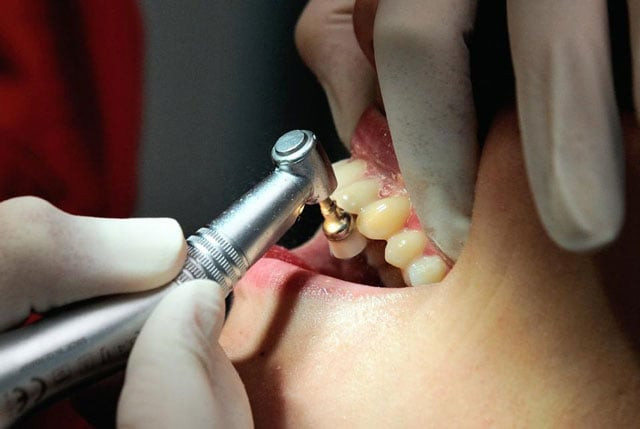
Public hospitals across Karachi and much of Sindh are struggling to provide adequate dental care because of shortages of specialist staff, outdated equipment and limited treatment capacity, forcing many patients to seek expensive private treatment or endure lengthy delays.
Only a handful of public institutionsincluding Civil Hospital Karachi, Jinnah Postgraduate Medical Centre (JPMC), Jinnah Sindh Medical University (JSMU) and Dow University of Health Sciences (DUHS)operate dental units. While JSMU and DUHS provide subsidised dental treatment, Civil Hospital and JPMC largely offer outpatient consultations, tooth extractions and basic procedures, with advanced services such as root canal treatment remaining unavailable for most patients.
Most district hospitals, taluka hospitals and primary healthcare centres across Karachi and interior Sindh do not have dental units, leaving patients with few public treatment options and increasing pressure on the limited number of tertiary-care facilities.
On the other hand, private dental care has become increasingly unaffordable for many families. Consultation fees range from Rs2,000 to Rs5,000, root canal treatment costs Rs15,000 to Rs25,000, while dental fillings cost Rs5,000 to Rs8,000. More complex procedures, including crowns, implants and jaw surgery, can cost hundreds of thousands of rupees.
Public dental departments also face shortages of modern dental chairs, endodontic equipment, digital X-ray systems, implant technology, sterilisation units, surgical instruments and laboratory facilities. In some hospitals, outdated surgical instruments continue to be used because newer equipment is unavailable. The widespread use of gutka and mawa has further increased the burden of oral disease, with dentists reporting a rise in tooth decay, gum disease and oral cancer across Sindh.
Former Pakistan Medical and Dental Council Executive Member Dr Feroz Jahangir said that although Civil Hospital and JPMC have dental departments, they are not fully functional, forcing large numbers of patients to seek treatment in private clinics.
"Patients often question the quality and availability of equipment in public hospitals, while private clinics generally rely on disposable dental instruments. Pakistan had more than 40,000 registered dental practitioners, but thousands have emigrated for postgraduate education and better employment opportunities abroad, contributing to an acute shortage of dental specialists and technicians," said Dr Jahangir.
He also said female students now outnumber men in many dental colleges, but many women later leave clinical practice because of social and family commitments, further reducing the active workforce.
According to Dr Jahangir, Pakistan also faces a shortage of oral and maxillofacial surgeons, leaving patients with complex jaw injuries and facial trauma with limited access to specialist treatment in the public sector. Although such services are available in private hospitals, they remain unaffordable for many patients.
He added that Pakistan depends heavily on imported dental equipment and consumables from Switzerland, the United States, Japan, Germany and China. Currency depreciation, import duties and transport costs have significantly increased the price of dental treatment.
Dr Jahangir further alleged that dental consumables are sometimes diverted from public hospitals for use in private clinics, contributing to shortages in government facilities. "Overcrowding and long waiting lists often result in patients being given appointments several months later, prompting many to seek private treatment instead."
"Pakistan has no public insurance coverage for dental care and the continued use of gutka and mawa is contributing to a growing burden of preventable oral disease across Karachi and Sindh," he concluded.








This material may not be published, broadcast, rewritten, redistributed or derived from. Unless otherwise stated, all content is copyrighted © 2026 The Express Tribune.



1727268465-0/Untitled-design-(42)1727268465-0-208x130.webp "the jirga industry s hidden tragedies")
COMMENTS
Comments are moderated and generally will be posted if they are on-topic and not abusive.
For more information, please see our Comments FAQ