Nadia Afgan links animal cruelty to wider culture of violence and lack of accountability
Updated 3 hours ago

Light Chaser Animation transforms China's celebrated Three Kingdoms era into an animated epic
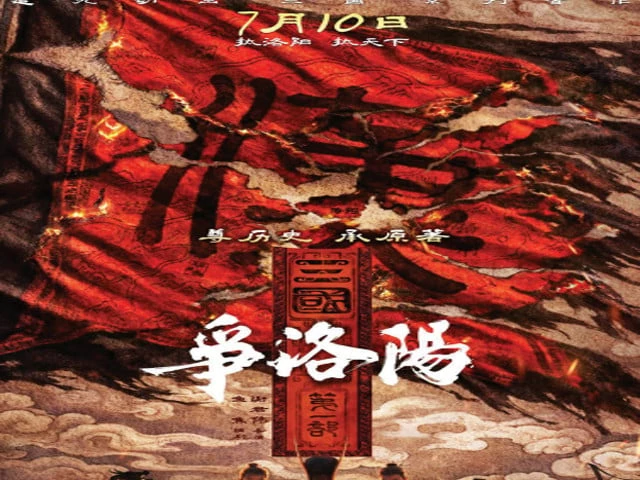
China's long and eventful history has inspired generations of novels, operas, films and television dramas, but historical epics have traditionally been dominated by live-action productions.
With the release of 'Three Kingdoms: The Beginning', the Light Chaser Animation is taking a different path, using animation to revisit one of the country's most celebrated historical eras while reflecting the growing confidence of domestic studios in tackling ambitious historical subjects.
The film, which opened in cinemas last week, re-imagines the Three Kingdoms period (220-280), one of the most significant chapters in Chinese history. Broad historical and literary narratives of the era begin in the closing decades of the Eastern Han Dynasty (25-220), when warfare, political intrigue and personal ambition reshaped the country. The turmoil produced numerous legendary figures whose stories have remained deeply embedded in Chinese cultural memory and continue to resonate across East Asia.
For centuries, the power struggles and rivalries of the period have inspired historical accounts, novels, operas, games, films and television productions. Rather than retelling familiar events alone, 'Three Kingdoms: The Beginning' focuses on the early lives of two men whose rivalry would leave a lasting mark on history: Cao Cao, a fiery junior official from a modest family background, and Yuan Shao, heir to one of the most influential aristocratic clans of the time.
Producer Song Yiyi said the film deliberately portrays its central characters before they became legends. Instead of presenting larger-than-life heroes, it explores how courage, determination and ambition shaped their journeys. The story, Song said, shows how these historical figures faced uncertainty, made decisive choices during critical moments and gradually became the personalities remembered throughout history.
The backdrop to their story is a period of deep political instability. The late Eastern Han Dynasty was marked by conflict between eunuchs and imperial in-laws, while weak emperors undermined confidence in the imperial court. Court struggles, a major peasant uprising and confrontations among rival warlords eventually brought about the effective collapse of the dynasty's authority.
Director Xie Junwei said historical and cultural subjects are among the most challenging to bring to the screen. While audiences are already familiar with the major figures and events of the Three Kingdoms, gaps in the historical record create opportunities for thoughtful artistic interpretation. He said the attraction of the project lay in balancing what audiences already know with what history has left unexplained.
To recreate the atmosphere of the late Eastern Han Dynasty, the production team carried out field research at several historical and archaeological sites, including the ruins of the Eastern Han imperial palace in Luoyang, Henan Province.
The filmmakers also incorporated archaeological discoveries into the film, modelling Cao Cao's armour and accessories on artefacts unearthed from his tomb, while dance sequences drew inspiration from carved stone reliefs housed in the Henan Museum.
The appeal of the Three Kingdoms story extends well beyond China. According to the filmmakers, social media users from countries including the United States, Kuwait and Japan have expressed strong interest in the film ahead of its international release.
















This material may not be published, broadcast, rewritten, redistributed or derived from. Unless otherwise stated, all content is copyrighted © 2026 The Express Tribune.





COMMENTS
Comments are moderated and generally will be posted if they are on-topic and not abusive.
For more information, please see our Comments FAQ