Ride-hailing driver recounts Mir Raza's journey from home to Gulistan-e-Johar before murder
Updated 13 hours ago

Regulator distances itself while hazardous medical waste found dumped openly
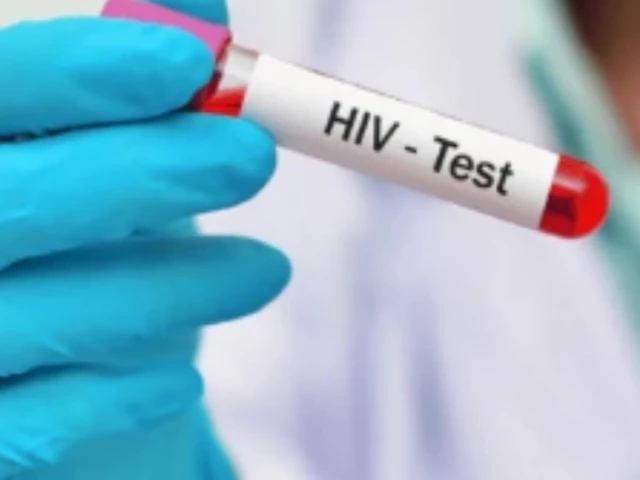
Fresh concerns have emerged over infection control and regulatory oversight at Valika Hospital after hazardous medical waste was found lying in the open, even as 81 children have been confirmed HIV-positive in a growing health crisis.
During a visit, used syringes, drip sets, blood-stained cotton and other infectious waste were seen scattered outside the incinerator room, raising serious questions about the hospital's waste disposal system and adherence to safety protocols.
Despite the alarming situation, the Sindh Healthcare Commission (SHCC) has distanced itself from direct responsibility, placing the onus on the provincial health authorities.
A SHCC spokesperson said that monitoring and checking medical waste management does not fall under its direct mandate. The commission conducts inspections or issues advisories only upon receiving formal complaints or directives from the Sindh health secretary, he added.
The stance has sparked criticism from medical experts and healthcare professionals, who argue that such an approach undermines the role of regulatory bodies, particularly in the wake of a major public health emergency.
Young Doctors Association Sindh Chairman Dr Mehboob Nohrani expressed serious concern, stating that the confirmation of HIV in 81 children should have prompted immediate and proactive intervention by all relevant authorities. "If a regulatory body disowns responsibility even after such a grave incident, its effectiveness and role come into question," he said.
Health experts stressed that proper disposal of medical waste is critical to preventing the spread of infectious diseases. Under guidelines set by the World Health Organisation (WHO) and Pakistan's medical waste management rules, used syringes, contaminated materials and other hazardous waste must be segregated in colour-coded biohazard bags and disposed of through approved methods such as incineration within a specified timeframe.
Failure to follow these procedures, experts warn, can expose not only patients but also healthcare workers, sanitation staff and waste handlers to serious infections including hepatitis B, hepatitis C and HIV.
The presence of infectious waste in open areas indicates a breakdown in infection control practices and raises concerns about whether standard operating procedures are being followed.
The provincial government has already initiated multiple inquiries following the detection of HIV cases among children, and several doctors and hospital staff have faced departmental action.
However, the current state of waste management at the facility suggests that critical gaps remain in both implementation and oversight.
Healthcare professionals have called for a comprehensive and transparent investigation, urging authorities to clearly define responsibilities and ensure accountability across all levels.
As inquiries continue, experts warn that without immediate corrective measures and strict enforcement of safety standards, the risk of further infections cannot be ruled out.


















This material may not be published, broadcast, rewritten, redistributed or derived from. Unless otherwise stated, all content is copyrighted © 2026 The Express Tribune.






COMMENTS
Comments are moderated and generally will be posted if they are on-topic and not abusive.
For more information, please see our Comments FAQ