Tarbela affectees seek graveyard, funeral ground
Updated 1 hour ago

Shortage of training centres, female instructors and accessible facilities continue to restrict women's access to ski
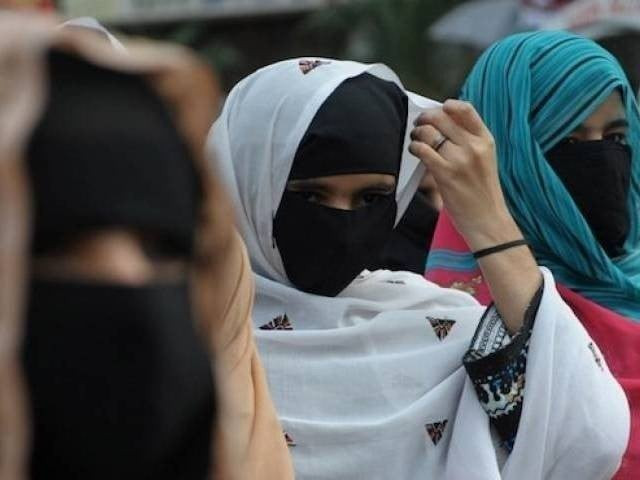
In Khyber-Pakhtunkhwa (K-P), the education crisis is not limited to children out of school. For many girls, the challenge extends further - access to technical and vocational education remains extremely limited, especially in the merged tribal districts, where training centres, instructors and facilities are in short supply.
Despite the K-P government's declaration of an education emergency, residents of the province and merged districts face significant challenges in accessing technical and vocational education. According to the official Khyber-Pakhtunkhwa Technical Education and Vocational Training Authority (KP-TEVTA), there are only about 16 women-only Government Technical and Vocational Centres (GTVC-W), compared to more than 35 centres for men across the province.
The situation is even more concerning in the merged districts, where only around 3,000 students are enrolled in technical and vocational institutes. Female labour force participation stands at just 3 per cent, reflecting the limited access of women to skills training and employment opportunities.
Qamar Naseem, an advocate for girls' education, told The Express Tribune that girls in remote and merged districts are often left behind because of the lack of accessible training centres, qualified female instructors and safe transportation.
"Expanding skills development opportunities for girls is essential for inclusive economic growth and women's empowerment. Investing in girls' skills education is both an educational priority and an economic necessity. Providing market-driven technical and digital skills to young women can help increase household incomes and contribute to community development in underserved areas," highlighted Naseem.
A report by UN Women Pakistan examining the status of women and girls in Khyber, Kurram, Orakzai, North and South Waziristan found that women in the merged districts face extremely low educational attainment, limited mobility, minimal participation in vocational training and restricted access to information technology. The report highlighted that opportunities for acquiring technical and digital skills are significantly more limited for girls than for boys.
Imran Takkar, Coordinator of Group Development Pakistan in K-P, explained that girls in the merged districts have very limited access to technical and vocational education, reducing their chances of learning employable skills and securing jobs.
"Technical education can help girls become financially independent, support their families and contribute to the development of their communities," he said. "Providing more training facilities for girls is important for empowering women and creating better economic opportunities in the region."
Takkar added that expanding technical education facilities for girls is crucial not only for women's empowerment but also for reducing poverty, increasing workforce participation and promoting sustainable socio-economic development in the merged districts.
Speaking to The Express Tribune, Director Academic and Technical Skills Abid Alam noted that government technical colleges in K-P offer engineering and Diploma in Information Technology (DIT) programs for both male and female students. Alam identified the high cost of training and the distance of institutions from students' homes as major reasons for the low participation of women and girls in skills education.
"The government must train teachers in modern technologies and equip institutions with updated machinery and equipment. Public interest in skills development for women remains limited, with many women still confined to traditional trades such as tailoring. Women in neighbouring China actively participate in factories and industrial sectors," said Alam, demonstrating the broader role women can play in technical and vocational fields.
Experts believe that increasing investment in women's technical and vocational education is essential for improving employment opportunities, boosting economic growth and empowering women across K-P, particularly in the merged districts where access remains severely restricted.












This material may not be published, broadcast, rewritten, redistributed or derived from. Unless otherwise stated, all content is copyrighted © 2026 The Express Tribune.



1727268465-0/Untitled-design-(42)1727268465-0-208x130.webp "independence 2 0")



COMMENTS
Comments are moderated and generally will be posted if they are on-topic and not abusive.
For more information, please see our Comments FAQ