Lifestyle changes driving diabetes spike
Updated 3 hours ago

People save only Rs6 out of every Rs100 earned; PIDE urges national savings drive
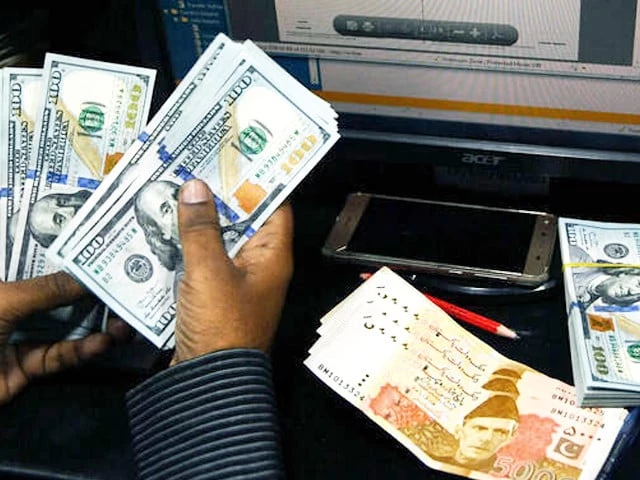
Pakistan's savings rate has fallen to its lowest level in three decades, with citizens now saving only Rs6 out of every Rs100 they earn, according to a new report by the Pakistan Institute of Development Economics (PIDE).
The report warns that the persistently low savings rate could deepen the country's investment crisis and continue pushing the economy towards external borrowing and repeated programmes with the International Monetary Fund (IMF).
In its recommendations for the federal budget for fiscal year 2026-27, PIDE called for launching a national savings campaign and proposed a range of measures aimed at encouraging long-term savings and improving financial security.
The think tank recommended restoring tax incentives for long-term savings schemes, protecting small savers, expanding digital access to national savings products and establishing an annual savings mobilisation dashboard to monitor progress.
According to the report, Pakistan's savings rate currently stands at 6.4 per cent, significantly lower than those of comparable regional economies. Bangladesh has a savings rate of 21 per cent, India 28 per cent and Vietnam nearly 30 per cent.
PIDE noted that high inflation and low returns on savings have discouraged people from depositing money in banks. Instead, many are increasingly turning to gold, real estate and cash holdings as preferred stores of value.
The report stated that the low savings rate is undermining domestic investment and limiting the capital available for economic growth.
It also pointed out that excessive government borrowing is crowding out private-sector investment, further weakening the country's ability to generate sustainable growth.
"Pakistanis are saving only Rs6 out of every Rs100 of income," the report observed, warning that the trend could leave the economy increasingly dependent on foreign loans and external financial assistance.
PIDE urged the government to include measures in the upcoming budget to reverse the decline in household savings and strengthen the country's domestic resource base.
Among its proposals were special savings incentives for women, pensioners and workers employed in the informal sector, as well as additional safeguards for small savers.
The report also recommended improving the accessibility of national savings products through digital platforms to encourage broader participation in formal savings schemes.
Emphasising the need for structural reforms, PIDE stated that the existing model of financing future growth through borrowed resources was no longer sustainable.













This material may not be published, broadcast, rewritten, redistributed or derived from. Unless otherwise stated, all content is copyrighted © 2026 The Express Tribune.


1727268465-0/Untitled-design-(42)1727268465-0-208x130.webp "independence 2 0")



COMMENTS (1)
Comments are moderated and generally will be posted if they are on-topic and not abusive.
For more information, please see our Comments FAQ