Trial opens in airline's suit over Boeing 737 MAX grounding
Updated 1 hour ago

Medics race to curb spread as WHO confirms nine cases in outbreak
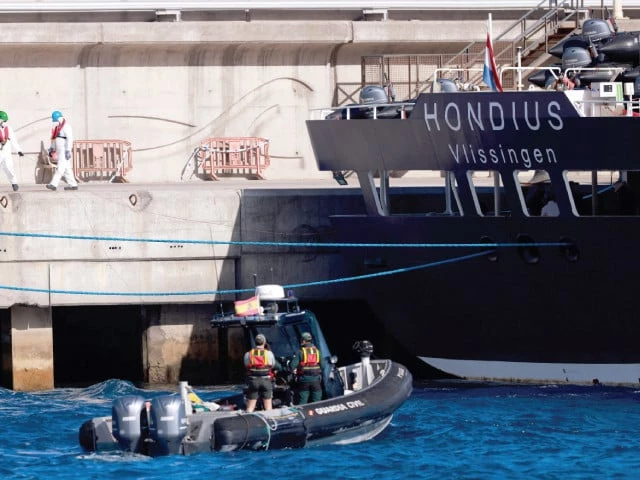
A Dutch hospital has quarantined 12 staff members as a preventive measure after blood and urine from a hantavirus patient were handled without observing strict protocols, as medics around the world work to stop the spread of the outbreak.
The 12 will be quarantined for six weeks, the Radboudumc hospital in the city of Nijmegen said, adding that the infection risk was very low and patient care continued uninterrupted.
The quarantining of the medics illustrates the challenge of quickly introducing and implementing stricter protocols needed in hospitals and elsewhere for dealing with the hantavirus strain behind the outbreak that hit the Hondius luxury cruise ship.
The World Health Organization increased its tally of confirmed cases in the outbreak to nine, up by two from the previous day.
The head of the U.N. agency said more cases could come because of the long incubation period, but that this was not a pandemic, and was nothing like COVID-19. The virus can be deadly, although it does not spread easily from person to person.
The Radboudumc hospital admitted its hantavirus patient, a passenger from the cruise ship, on May 7.
"What happened ... is that strict procedures were followed, but not the very strictest procedures that apply in cases involving this hantavirus," Dutch Health Minister Sophie Hermans told parliament. "The likelihood that staff have been infected as a result is small, but because we know we are dealing with a serious virus, (the hospital) has said: we will play it safe."
"It really is a different situation than with COVID. With the knowledge we have and the measures we are taking, we are confident we can keep this virus under control," Hermans said.
After the last passengers disembarked the ship in Spain's Canary Islands, the Hondius set sail for the Netherlands late on Monday evening with 25 crew, a doctor and a nurse. It is expected to arrive in the Netherlands by May 17, ship owner Oceanwide Expeditions said.
Three people - a Dutch couple and a German national - have died since the start of the outbreak of the virus, which is usually spread by wild rodents but can be transmitted person-to-person in rare cases of close contact.
In addition to the nine confirmed cases, the WHO recognises two suspected cases - one person who died before being tested, and one on Tristan da Cunha, a remote South Atlantic island where there were no tests available. So far, all are considered to have been contaminated on the cruise trip, or before boarding the ship.
All suspected cases have been isolated and placed under strict medical supervision, minimising any risk of further transmission, WHO chief Tedros Adhanom Ghebreyesus said.
Tedros warned that more cases were to be expected as there had been "a lot of interaction" between passengers before hantavirus was detected.
"At the moment, there is no sign that we are seeing the start of a larger outbreak, but of course the situation could change and given the long incubation period of the virus, it's possible we might see more cases in the coming weeks."
All passengers who had disembarked the ship at earlier stages in the cruise had been located, Tedros said, adding it was up to their respective countries to implement protocols to prevent the virus from spreading.
In the latest report of a potential
case, Italy's top infectious diseases hospital said it would examine biological samples from a man who had been in contact with the Dutch woman who died of hantavirus.
Arnaud Fontanet, head of Epidemiology of Emerging Diseases at France's Pasteur Institute, said the hunt for new cases could drag on for months, since the incubation time was up to six weeks.















This material may not be published, broadcast, rewritten, redistributed or derived from. Unless otherwise stated, all content is copyrighted © 2026 The Express Tribune.









COMMENTS
Comments are moderated and generally will be posted if they are on-topic and not abusive.
For more information, please see our Comments FAQ