Karachi police arrest alleged suspect of newly married couple's honour killing
Updated 1 hour ago

Lawmakers debate water shortages, honour killings as opposition presses for accountability
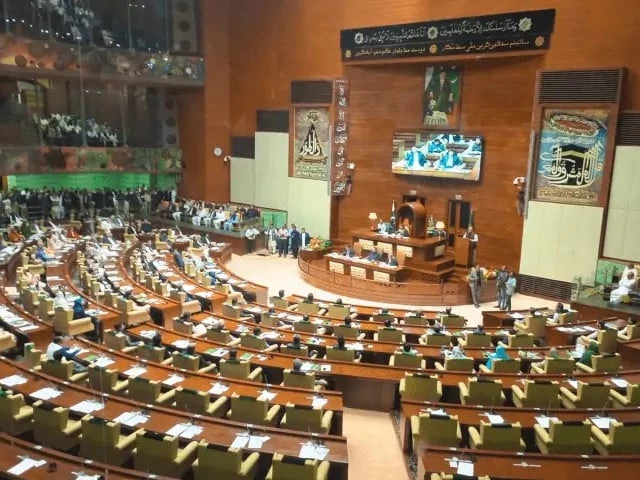
A tense and wide-ranging session of the Sindh Assembly on Monday laid bare the city's most pressing challenges - from chronic water shortages to honour killings and rapid-fire legislative approvals - reflecting growing public frustration over governance and basic civic services.
Metro's water crisis takes centre stage
The most urgent debate centred on Karachi's worsening water crisis, with lawmakers accusing the government of failing to deliver consistent supply despite repeated assurances.
Parliamentary Secretary for Local Government Siraj Qasim Soomro informed the house that efforts were underway to improve water availability, citing ongoing upgrades to the TP-1 facility, which currently produces 45 million gallons per day (MGD) and is expected to reach 100 MGD by December.
While acknowledging distribution problems, the government admitted that Karachi's water issues are widespread and long-standing, stressing the need for better planning and a comprehensive water census. Officials also pointed to future solutions, including long-delayed desalination projects and the controversial K-IV scheme, now under federal oversight, which has seen its cost escalate from Rs25 billion to over Rs100 billion.
Despite assurances of completion by 2026, officials warned the project could slip into 2027, underscoring the gap between planning and delivery in one of the city's most critical infrastructure lifelines.
Honour killing sparks outrage
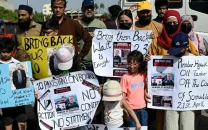
The session also turned emotional as lawmakers debated the issue of honour killings following the Tando Masti incident.
Interior Minister Ziaul Hassan Lanjar told the assembly he had ordered police action at 3am for the arrest of suspects allegedly involved in the killing of a young girl, Rubina Chandio.
Lawmakers from MQM-P condemned the practice of "karo kari," calling it a misrepresentation of honour used to justify violence. The minister also strongly denounced the tradition, stating it has no place in Islam or law and urging nationwide legislation to eradicate it.
He further proposed that a joint motion be brought to the house for a detailed debate, emphasising that the state must take firm action against such crimes, which are often hidden due to social pressure and influence.






This material may not be published, broadcast, rewritten, redistributed or derived from. Unless otherwise stated, all content is copyrighted © 2026 The Express Tribune.











COMMENTS
Comments are moderated and generally will be posted if they are on-topic and not abusive.
For more information, please see our Comments FAQ