Court directs Mir Ali Raza's business partner not to leave city during probe
Updated 11 hours ago

Amid soaring inflation, Karachiites make financial sacrifices to keep Eid traditions alive
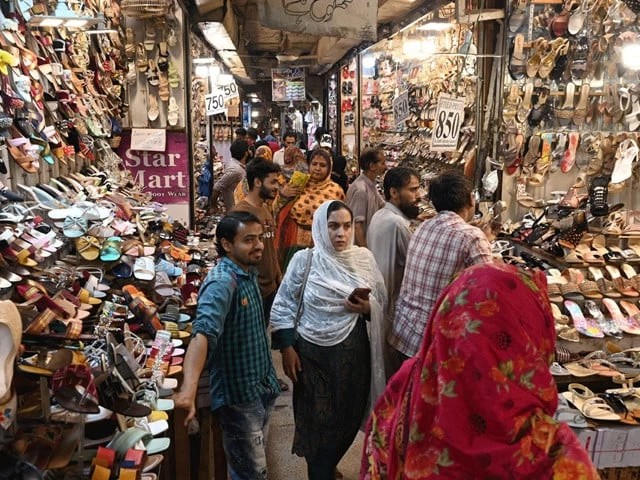
With just one day left before Eidul Azha, Karachi's cattle markets are buzzing with last-minute bargain hunters, restless traders and families determined to keep the spirit of sacrifice alive despite soaring inflation. From children proudly parading sacrificial animals through neighbourhood streets to buyers locked in intense haggling sessions under the blazing sun, the city's annual qurbani ritual has once again transformed into a spectacle of faith, emotion and financial strain.
This year, however, the mood carries a different undertone.
Runaway prices, shrinking household budgets and rising transportation costs have forced many citizens to rethink how they perform Sunnat-e-Ibrahimi. Traders and buyers alike say collective sacrifice has emerged as dominant trend this Eid, replacing the once-common tradition of individual animal purchases for many middle-income families.
Across Karachi's 32 registered cattle markets - along with dozens of informal roadside sale points - activity remains in full swing even on the eve of Eid. Yet unlike previous years, buyers appear more cautious, delaying purchases in hopes of further price cuts.
"People are negotiating harder than ever this time," said cattle trader Asif Qureshi. "Prices have dropped by nearly 20 to 30 per cent in the final days before Eid, but many customers are still waiting, hoping rates will fall further."
According to traders, around 75 to 80 per cent of sacrificial animals brought to the city have already been sold, though no official figures are maintained.
One noticeable trend this year has been the growing demand for lighter-weight cows and heifers, especially among families opting for individual sacrifice. Traders said smaller cows priced around Rs150,000 sold rapidly and are now in short supply. Heavier animals costing between Rs200,000 and Rs300,000 have mostly been purchased for collective sacrifice arrangements organised by groups, mosques, seminaries and welfare organisations.
Meanwhile, premium breeds and aesthetically attractive animals - often weighing significantly more - have largely been snapped up by affluent buyers, though a sizeable number still remain in markets.
Goats, traditionally the most popular choice for urban families, have become significantly more expensive this year, slightly dampening demand. Traders said even small goats are selling between Rs40,000 and Rs50,000, while healthy, medium-sized goats are priced from Rs70,000 to well above Rs100,000.
"Compared to last year, overall animal prices have increased by almost 50 per cent," Qureshi explained. "Transportation, feed and other operational expenses have all become much more expensive."
The financial pressure has also shifted consumer behaviour toward shared sacrifices, with collective qurbani packages offered by mosques, madrassas and charitable organisations witnessing overwhelming demand. Most bookings for such packages have already been completed ahead of Eid. As animal purchases near completion, another familiar Eid challenge has surfaced across the city: finding butchers.
Despite the economic challenges, the festive spirit remains visible across Karachi. In many neighbourhoods, children can be seen proudly walking decorated goats, cows and camels through the streets, while families gather around newly purchased animals in scenes that continue to define Eidul Azha in the metropolis.








This material may not be published, broadcast, rewritten, redistributed or derived from. Unless otherwise stated, all content is copyrighted © 2026 The Express Tribune.


1727268465-0/Untitled-design-(42)1727268465-0-208x130.webp "independence 2 0")


COMMENTS
Comments are moderated and generally will be posted if they are on-topic and not abusive.
For more information, please see our Comments FAQ