SC defines 'doctrine of complete justice'
Updated 4 hours ago

Limited facilities and persistent stigma continue to block timely psychological support for minors
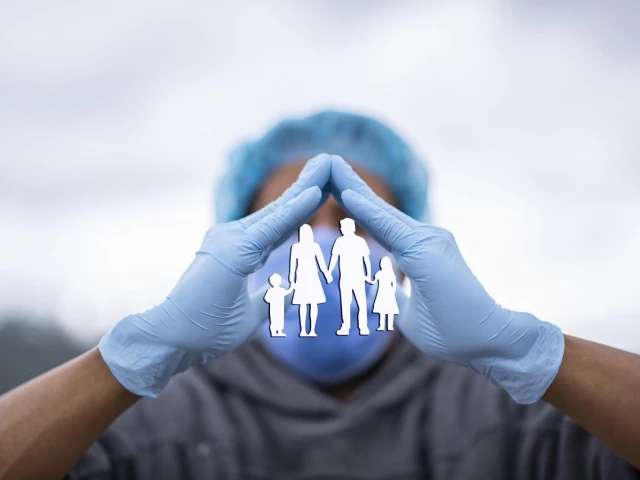
Twelve-year-old Aalyan, a sixth-grade student from Peshawar, is suffering from severe psychological trauma after losing his mother in a house fire, a tragedy that has left deep emotional scars.
What began as shock and silence has now developed into clinical depression, worsening his mental and physical health. Aalyan has lost his appetite and has become visibly weak. His family has taken him to a private hospital in Peshawar, where he is receiving treatment.
"Aalyan is no longer the same child," says his aunt Sidra Jabeen. "We first went to a government hospital, but there was little improvement. He has been in therapy for three months now, but it is not affordable for everyone."
Aalyan is undergoing behavioural therapy and psychological counselling costing around Rs33,000 per month, which many families cannot afford.
Experts say Aalyan's case reflects a wider crisis, with hundreds of children across Khyber-Pakhtunkhwa and the tribal districts facing rising mental health issues due to lack of timely diagnosis, facilities, and trained specialists.
A report by the National Commission on Child Rights reveals a steady rise in mental health issues among children aged five to 17 across Pakistan, with depression and anxiety topping the list. The report highlights that K-P has the highest proportion of affected children in this age group.
According to the data, depression rates among children stand at 5.3 per cent in K-Phigher than Punjab (2.7 per cent), Sindh (3.2 per cent), and Balochistan (4.4 per cent). Similarly, anxiety prevalence in K-P is reported at 7 per cent, compared to 5.2 per cent in Balochistan, 4 per cent in Sindh, and 3.7 per cent in Punjab.
Dr Qazi Shahbaz, a clinical psychologist at Lady Reading Hospital, Peshawar, says children often appear frivolous, but many silently struggle with emotional and psychological issues.
"Mental health is as important as physical health, shaping how children think, feel, and behave. Neglect can lead to long-term consequences. Anxiety, depression, behavioural disorders, and ADHD are common and can be triggered by bullying, academic pressure, family conflict, poverty, abuse, or trauma. Children rarely express distress in words," noted Dr Shahbaz.
Beyond depression, autism is also emerging as a growing concern in K-P, with experts warning of increasing cases of "virtual autism" among children aged two to six due to excessive screen exposure.
Alarmingly, the province lacks dedicated government autism specialists. Major hospitals, including the Lady Reading Hospital, Hayatabad Medical Complex, and Khyber Teaching Hospital, do not have specialised autism centres, while only a limited facility in Hayatabad provides basic services.
Ali Zaman, a resident of Peshawar, shared his struggle in diagnosing his three-and-a-half-year-old son. "We were first told he could not hear, but later tests confirmed autism. We lost two years due to the lack of specialised doctors," he said.
Ismat Paray, a speech therapist associated with the University of Peshawar's Department of Psychology, stresses the importance of early intervention.
"Our goal should go beyond treating severe cases," she says, stressing the need for safe and supportive environments for children. She highlights the role of parents and teachers in spotting early warning signs, adding that even small behavioural changes should not be ignored.
Paray also calls for school-based awareness, anti-bullying efforts, and better teacher training. At the societal level, she urges reducing stigma around mental health and improving access to affordable care. Experts agree that healthy routinessuch as proper sleep, nutrition, physical activity, and emotional supportare key to prevention.







This material may not be published, broadcast, rewritten, redistributed or derived from. Unless otherwise stated, all content is copyrighted © 2026 The Express Tribune.
COMMENTS
Comments are moderated and generally will be posted if they are on-topic and not abusive.
For more information, please see our Comments FAQ