Swap lines as diplomatic currency
Updated 6 hours ago

Growth target 4.1%, employees demand 100% salary rise as IMF limits fiscal space
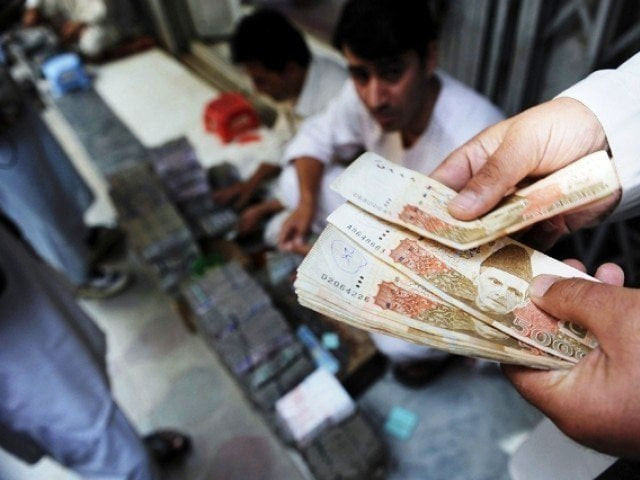
The federal government has proposed a total size of Rs17.1 trillion for the upcoming fiscal year 2026-27 federal budget, with a GDP growth target of 4.1% and an estimated average inflation rate of 8.4%.
Budget sessions of the National Assembly and the Senate have been summoned for June 5 to present the federal budget for the next fiscal year. According to Ministry of Finance sources, a special federal cabinet meeting will also be held on June 5 before the parliamentary sessions, while the meeting of the National Economic Council (NEC) is scheduled for June 3. The NEC will approve the Public Sector Development Programme (PSDP) for the upcoming fiscal year, while the annual Economic Survey for the current fiscal year will be released on June 4.
Finance Ministry sources further said that the 2026-27 budget size is estimated at Rs17.1 trillion, with a GDP growth target of 4.1% and average inflation projected at 8.4%. The petroleum levy target has been set at Rs1,727 billion, while the tax revenue target is Rs15,267 billion. The federal PSDP is expected to be Rs1.1 trillion, while Rs7,824 billion has been allocated for interest payments on debt. Defence expenditure is proposed at Rs2,665 billion. Non?tax revenue is projected at Rs2,768 billion.
Sources said the upcoming budget may include a 7?10% increase in salaries and pensions for government employees. However, a dispute has already emerged between the government and employees over salary and pension adjustments ahead of the budget. Government employees are demanding up to a 100% increase in salaries and pensions in line with inflation. Their representatives have also announced plans to stage a protest outside the Ministry of Finance a day before the budget and in front of Parliament on budget day if their demands are not met, warning of a strong nationwide agitation if their charter of demands is not accepted.
President Asif Ali Zardari on Friday approved summoning the budget session of the National Assembly at 5pm and the Senate session at 6pm on June 5. The federal budget for the financial year 2026-27 will be presented in the National Assembly. The agenda for the upcoming National Assembly and Senate sessions will be issued in the coming days.
The next budget is to be presented in consultation with the International Monetary Fund (IMF), with most matters already settled. The federal government has also prepared proposals in the upcoming budget for salary increases for the salaried class and pensions for pensioners.
Adviser to the Prime Minister on Political and Public Affairs Senator Rana Sanaullah said that relief will be provided on a broad basis, including to the salaried class. On Monday, Sanaullah said the government was preparing a comprehensive strategy to provide maximum relief to inflation?hit segments of society in the upcoming budget. Talking to the media, he said that no amendment regarding voters' age limit was under consideration and the government remained fully committed to safeguarding constitutional and democratic rights of the youth. He said that the upcoming federal budget would provide major relief to the masses and Prime Minister Shehbaz Sharif would formally announce the public?friendly package soon.
FY27 budget may offer
limited relief
Pakistan's upcoming federal budget for FY27 is shaping up to be less about headline?grabbing relief measures and more about reinforcing a commitment to economic stabilisation, despite mounting political, social and economic pressures. After three years of adjustments under the IMF programme, the government now faces the challenge of balancing fiscal discipline with demands for tax relief, growth support and investor confidence.
Research previews by leading brokerage houses Topline Research and JS Global Capital indicate that the budget is likely to be viewed less through the lens of populist measures or dramatic policy shifts, and more as a reinforcement of fiscal discipline and policy continuity for investors and lenders. Both reports expect continued fiscal consolidation with a fourth consecutive primary surplus in FY27, but sustaining it will require strong revenue mobilisation amid a fragile recovery.
According to IMF?linked targets highlighted in the reports, the Federal Board of Revenue (FBR) is expected to collect approximately Rs15.3 trillion in taxes during FY27, implying revenue growth of around 14?20% depending on the final FY26 collection base. The challenge becomes even greater because FY26 itself is expected to close with another revenue shortfall despite downward revisions in collection targets.
This creates the central tension of the budget. On one side, the government is considering relief for salaried individuals and select corporate sectors due to domestic pressure. On the other, the IMF has tightened oversight by upgrading FBR benchmarks to quantitative performance criteria, leaving minimal room for slippages, exemptions or discretionary relief.











This material may not be published, broadcast, rewritten, redistributed or derived from. Unless otherwise stated, all content is copyrighted © 2026 The Express Tribune.







COMMENTS (8)
Comments are moderated and generally will be posted if they are on-topic and not abusive.
For more information, please see our Comments FAQ