Aga Khan vows commitment to K-P’s development in meeting with CM Afridi
Updated 56 minutes ago

Rs20–30 billion are spent annually on government vehicles despite 50 per cent austerity cuts
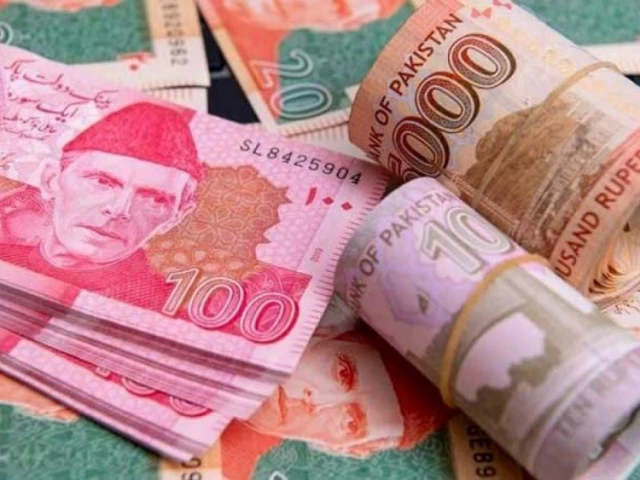
Despite repeated austerity announcements by the Punjab government, including a 50% cut in fuel expenses and parking of unnecessary official vehicles, public doubts persist.
Citizens question why large numbers of green number plate vehicles are still seen on highways, outside offices, and across cities if spending is truly being reduced.
Estimates from official and financial sources suggest that thousands of government vehicles are still in operation across Punjab. These are used by district administrations, police, health, education, the provincial secretariat, development authorities, and autonomous institutions. Maintaining this fleet costs billions annually, including fuel, maintenance, drivers, tyres, and overall upkeep.
Official estimates put annual spending on fuel and maintenance at Rs20–30 billion, though some reports suggest Rs50 million, showing data inconsistencies. Under the austerity policy, the government announced a 50% cut in fuel allowances, limits on non-essential vehicle use, and a halt on new purchases, claiming potential savings of Rs5–10 billion annually, though results are not yet visible on the ground.
Public opinion reflects a gap between policy and practice. A retired senior bureaucrat, speaking anonymously, opined that the system reflects a long-standing culture of privilege, with some officials using multiple vehicles.
“Real reform needs GPS tracking, digital logbooks, fuel audits, and strict accountability since policy notifications alone are not enough without monitoring. In many countries, senior officials have limited transport, unlike Pakistan, where multiple vehicles are often assigned to a single post,” shared the citizen.
Financial expert Dr Qais Aslam felt that significant savings could be achieved through centralised vehicle use, shared transport pools, fewer official visits, and increased use of virtual meetings. “Such measures could save billions annually rather than just millions,” noted Dr Aslam.
Read More: Police ordered to cut fuel use by 33% under austerity drive
Public circles are demanding transparency, including disclosure of the total number of official vehicles, how many have been parked, departmental fuel savings, and which institutions continue to spend high amounts. Currently, no single document provides consolidated figures, as vehicles are registered separately across departments.
The government has directed that 50% of vehicles be pooled and has halted the purchase of around 300 to 400 new vehicles. However, details of implementation have not been made public. While some reductions occurred in secretariat offices and during work-from-home periods, vehicles in operational departments such as police, health, engineering, and district administration have largely remained active.
The Punjab cabinet also approved only 10 new vehicles instead of the proposed 108, presenting this as an austerity measure. However, the continued visibility of official vehicles has raised doubts about the actual scale of reductions.
Under the Motor Transport Policy 2026, vehicle and fuel entitlements for senior officials have been defined. The chief secretary and inspector general of police are allowed three vehicles, while grade 21 and 22 officers may use two vehicles with fuel allowances for personal and official use. Grade 19 and 20 officers are entitled to 1600cc vehicles with 250 litres of fuel, and grade 17 officers to 1500cc vehicles with 175 litres per month.
Since departments operate separate budgets, a unified spending figure is rarely issued. However, with thousands of vehicles in use, the cumulative cost of fuel, maintenance, staffing, insurance, and replacement remains substantial.
Observers say there is a clear gap between official directives and ground reality. If austerity measures are not applied equally, particularly to senior officials and ministers, public trust will continue to decline. Effective reform will require strict monitoring, transparency, and accountability.
Meanwhile, the Punjab Assembly has reported savings of over Rs770 million under its austerity measures, though broader provincial outcomes remain unclear.











This material may not be published, broadcast, rewritten, redistributed or derived from. Unless otherwise stated, all content is copyrighted © 2026 The Express Tribune.





COMMENTS
Comments are moderated and generally will be posted if they are on-topic and not abusive.
For more information, please see our Comments FAQ