IHC reserves verdict on Bushra Bibi’s plea for family meetings, medical access
Updated 1 hour ago

Govt moves to fortify strategic crude oil reserves
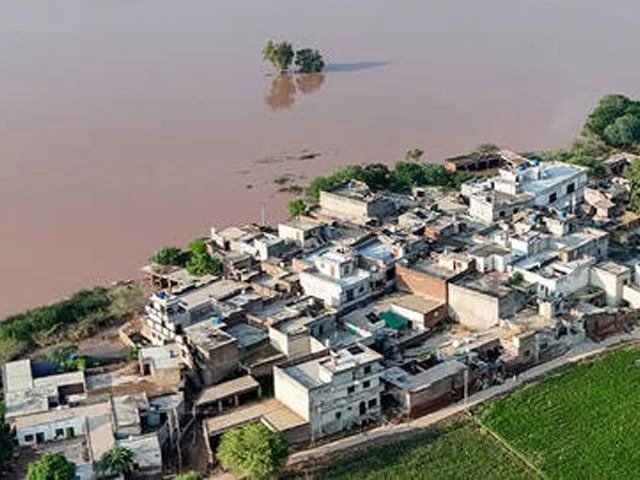
The early warning system installed in Gilgit-Baltistan for the protection against glacial lake outburst floods (GLOFs) remained inactive.
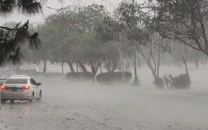
This was disclosed during a meeting chairing by PM Shehbaz Sharif to review pre-monsoon preparedness and climate-related risks.
Taking notice, the prime minister ordered a high-level inquiry into the non-functional and directed all relevant institutions to accelerate coordinated preparations ahead of the upcoming monsoon season.
The prime minister expressed strong displeasure over the continued inactivity of the early warning system despite clear directives issued last year.
He warned that negligence and weak institutional performance would not be tolerated and emphasized that safeguarding citizens from environmental hazards remains a core responsibility of all departments, a Prime Minister's Office news release said.
The prime minister instructed federal ministries and provincial governments to remove bottlenecks hindering policy implementation and ensure full operationalization of digital monitoring infrastructure for early warning systems.
During the meeting, the NDMA, WAPDA, and the Ministry of Climate Change briefed the prime minister on progress made in line with earlier directives. Senior federal ministers, advisers, provincial chief secretaries, and top officials from relevant departments attended the session.
Energy security
Prime Minister Shehbaz Sharif on Thursday, calling energy security a vital part of the country's future planning, said that the government's timely measures regarding energy conservation in the current regional situation averted a crisis.
The prime minister, chairing a high-level meeting regarding energy security, said that work was underway on a plan to maintain strategic reserves of crude oil in the country, keeping in view future energy needs.
Besides, he said that for energy conservation and sustainable development, means of transportation should be gradually transitioned to eco-friendly electric vehicles (EVs).
The prime minister directed to purchase only electric buses and motorcycles for government use in the future and accelerate the establishment of charging stations for EVs.
Calling for a strategy to facilitate the acquisition of batteries for the storage of surplus solar electricity, he said that local manufacturing of high-quality storage batteries should also be encouraged.
During the briefing, the participants of the meeting were told that the National Coordination and Management Council (NCMC) was reviewing the energy situation on a daily basis.
It was informed that sufficient stocks of petroleum products were available, and the food security situation in the country was also stable.
Pakistani Astronauts
Prime Minister Shehbaz Sharif on Thursday met Pakistani astronauts Khurram Daud and Muhammad Zeeshan Ali, who have been selected for a human space mission, and described their participation in space research as a landmark achievement for the country and a matter of national pride.
Astronaut Attaché Hasnain Iftikhar from Pakistan Space and Upper Atmosphere Research Commission (SUPARCO) was also present during the meeting held here at the Prime Minister's Office, a news release said.




This material may not be published, broadcast, rewritten, redistributed or derived from. Unless otherwise stated, all content is copyrighted © 2026 The Express Tribune.







COMMENTS
Comments are moderated and generally will be posted if they are on-topic and not abusive.
For more information, please see our Comments FAQ