Oil rises, stocks waver as new US strikes dampen peace deal hopes
Updated 9 hours ago

Pakistan caught in crossfire as crude surges past $100 after talks failed
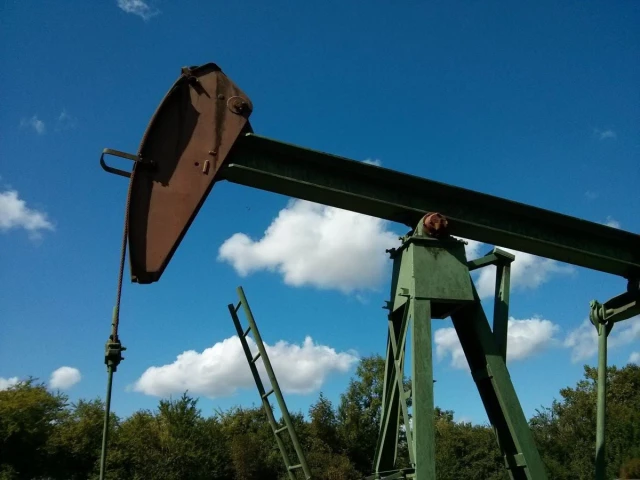
A renewed surge in global oil prices following the end of Islamabad-mediated talks between Washington and Tehran has wiped out a brief sense of relief, exposing Pakistan and other import-dependent economies to another round of inflationary pressure.
Crude prices climbed back above $100 per barrel on Monday, after US President Donald Trump signalled plans to block the Strait of Hormuz, a move widely seen as a pressure tactic after negotiations failed to produce a breakthrough. The spike comes just days after markets had begun stabilising on hopes of de-escalation. Analysts say the latest jump is being amplified not merely by geopolitical risk, but by the sudden reversal of expectations.
"The problem this time around is not just supply fears, it's the collapse of market confidence after a short-lived diplomatic window," said a high official working in Pakistan's private-sector oil industry. "That blowing effect is making the price spike sharper than usual."
The Strait of Hormuz, a narrow but critical shipping lane, handles nearly 20% of global oil trade. Any disruption, or even the threat of it, tends to send immediate shockwaves through energy markets. Following over 20 hours of inconclusive talks in Islamabad, US signals of a potential naval blockade targeting Iranian shipments triggered fresh concerns about supply constraints. Brent crude responded with a sharp rally, with some forecasts warning prices could climb further if tensions persist.
For Pakistan, the development could not have come at a more precarious time, as the country had been counting on relatively stable oil prices to maintain its fragile inflation trajectory and manage its external account. The government on Friday cut diesel prices by Rs135 and petrol by Rs12 per litre to ease the pressure. A sustained increase in crude prices is once again expected to inflate the import bill, weaken the rupee and complicate ongoing fiscal adjustments.
"Every $10 increase in oil prices adds significant pressure on Pakistan's current account and directly feeds into domestic inflation," said the official. "If this situation prolongs, it will force tough decisions on fuel pricing and subsidies."
Petroleum products remain among Pakistan's largest import categories, making the economy highly sensitive to global price movements. A renewed oil rally could translate into higher transport costs, electricity tariffs, and food prices in the coming weeks.
Globally, the impact is already visible. Asian and European markets showed signs of stress, while energy stocks rallied on expectations of tighter supply. Early estimates suggest oil prices jumped between 6% and 8% immediately after the latest escalation.
However, analysts argue that what sets this episode apart is the "false dawn" effect, a temporary easing of tensions that had led markets to price in stability, only to be abruptly reversed.
"Markets had started adjusting to the idea that the worst was over," the official said, adding that now they are being forced to re-price risk at a much higher level, which increases volatility. Beyond oil, the implications could spread across global supply chains. Shipping costs, insurance premiums, and freight rates are all expected to rise if uncertainty around Hormuz persists. For food-importing countries, this may translate into additional inflationary pressure.
Once a geopolitical risk premium is built into oil prices, it tends to linger. "Even a reopening of the strait won't immediately bring relief," the official said. He added that the real story is no longer just disruption. "It's the cycle of hope and disappointment, and that is far more destabilising for the whole world and especially for Pakistan."








This material may not be published, broadcast, rewritten, redistributed or derived from. Unless otherwise stated, all content is copyrighted © 2026 The Express Tribune.












COMMENTS
Comments are moderated and generally will be posted if they are on-topic and not abusive.
For more information, please see our Comments FAQ