K-P jirga rejects drone strikes, announces emergency assembly session
Updated 1 hour ago

'This is a victory for diplomacy and dialogue,' Rizwan Saeed Sheikh says in interview with CNN
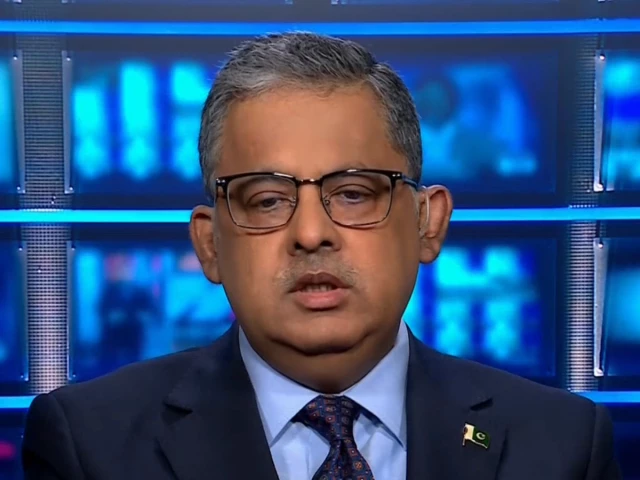
Pakistan's Ambassador to the United States Rizwan Saeed Sheikh said that Pakistan had been working diplomatically for weeks, and the successful announcement of the ceasefire between US and Iran, and the opening of negotiations was a direct result of these efforts.
In an exclusive interview with CNN, Sheikh discussed the country’s diplomatic efforts in facilitating the ceasefire agreement between the US and Iran. "This is a victory for diplomacy and dialogue," he said, noting that Pakistan has always prioritised positive diplomacy throughout its history.
Read More: Pakistan basks in new glory
He expressed gratitude to all parties involved, stating, "We are thankful for the trust placed in Pakistan by all sides."
The ambassador further acknowledged the crucial role played by Saudi Arabia, Turkiye, Egypt, Qatar, China, and other countries whose joint efforts paved the way for the ceasefire and subsequent negotiations.
“China has consistently urged all parties to adopt restraint and diplomacy from day one,” said Sheikh, underlining the importance of China’s diplomatic influence in the process.
Sheikh also noted that Pakistan’s leadership had been directly involved in the negotiations, contributing to the success of the diplomatic mission.
Also Read: Trump warns of major war escalation if Iran peace process fails
He stressed the importance of confidentiality and stated that for negotiations to reach a decisive conclusion, they must be free from external pressures. "The decision-making power lies with the relevant parties," he affirmed, explaining that Pakistan’s role was primarily that of a facilitator.
Pakistan’s longstanding relations with the Gulf states were also highlighted, with Sheikh noting that nearly 5.5 million Pakistanis reside in these countries. “During the course of the ceasefire and diplomatic efforts, there has been continuous consultation with the leadership of the Gulf states,” he said.
The ambassador concluded with optimism, expressing hope that Pakistan’s “humble and sincere efforts” would yield positive results. "The peace and stability of the region will not only have a positive impact on the Gulf but on global politics and economics as well," he added.
Perilous ceasefire
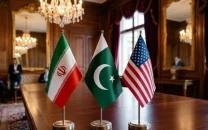
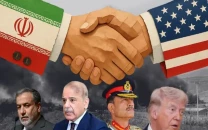
A fragile, conditional ceasefire is in place between the US and Iran, agreed after weeks of intense conflict. The deal revolves around a two‑week pause in fighting, largely aimed at halting major military strikes and reopening strategic routes like the Strait of Hormuz — although core disagreements remain unresolved. Both Washington and Tehran have declared the ceasefire a kind of victory, even as they stick to competing demands for a long‑term settlement.
At the centre of the truce is a 10‑point proposal from Iran, which the US has described as a “workable basis” for negotiation. The plan reportedly covers issues like non‑aggression, control and operation of the Strait of Hormuz, lifting sanctions, and cessation of hostilities on multiple fronts — including calls for an end to wars in related theatres. This framework is now set to guide peace talks, with Pakistan expected to host negotiations aimed at turning the temporary ceasefire into a more durable peace.
Despite the ceasefire, violence persists in Lebanon, where Israel has carried out heavy strikes on what it claims are Hezbollah targets, hitting mostly civilian infrastructure and causing significant casualties. Israel’s campaign in Lebanon is not officially part of the US‑Iran ceasefire agreement, according to US and Israeli statements, adding to confusion over the truce’s scope.
Tehran has warned that continued attacks in Lebanon could jeopardise the ceasefire, highlighting how fragile the pause in hostilities remains.









This material may not be published, broadcast, rewritten, redistributed or derived from. Unless otherwise stated, all content is copyrighted © 2026 The Express Tribune.





COMMENTS
Comments are moderated and generally will be posted if they are on-topic and not abusive.
For more information, please see our Comments FAQ