Pakistan, China firms sign deals worth $7b
Updated 5 hours ago

Marriyum Aurangzeb says proposed authority will set up a modern film city with film schools and music academies
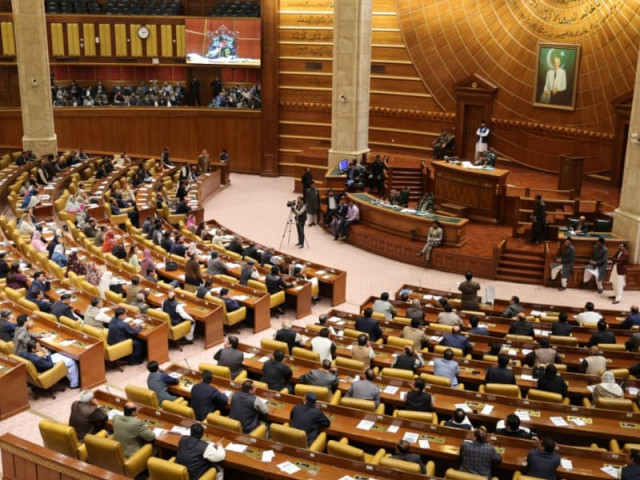
The Punjab Film City Authority Bill 2026, aimed at reviving the province’s film and creative industry, triggered a highly charged debate in the Punjab Assembly on Wednesday, marked by sharp exchanges, political point-scoring and procedural objections, before being passed by majority vote.
Senior Minister Marriyum Aurangzeb moved the bill in the House, presenting it as a long-term policy initiative to rebuild what she termed a “collapsed” film industry. She told lawmakers that Pakistan had failed to develop its screen tourism and film production capacity over the decades, which adversely affected the country’s global image and deprived artists of opportunities.
وزیراعلیٰ پنجاب مریم نواز شریف نے 50 ایکڑ پر مشتمل “پنجاب فلم سٹی” کے قیام کا بڑا اعلان کر دیا۔۔۔
— Government of Punjab (@GovtofPunjabPK) April 29, 2026
تخلیق کی نئی پرواز، ٹیلنٹ کا نیا اسٹیج اور پاکستان کی ایک نئی شناخت#PunjabFilmCity #PakistanFilmIndustry #RevivingCinema@MaryamNSharif pic.twitter.com/AZpPoPrUDM
She said the proposed authority would establish a modern film city spread over significant land, featuring film schools, music academies, production houses and supporting infrastructure to create jobs and generate revenue.
Read: Punjab bets big on tourism with first-ever investment expo
Aurangzeb stressed that the bill had already gone through the standing committee process and was backed by detailed planning over the past year and a half under the provincial leadership.
She rejected the opposition’s claims about misplaced priorities, asserting that the government had substantially increased spending on key sectors.
According to her, the education budget had risen from Rs30 billion to Rs130b, the health development budget had increased manifold, and agriculture initiatives such as farmer cards and distribution of thousands of tractors reflected strong support for the rural economy.
وزیراعلی پنجاب مریم نواز کے ویژن کے مطابق صوبے میں تعلیمی اور طبی انقلاب کا سفر تیزی سے جاری ہے۔ 2018 سے 2022 تک اگر صرف 2022 کا موازنہ کروں تو اب تک اسکول ایجوکیشن کا ڈویلپمنٹ بجٹ 30 ارب سے بڑھ کر 130 ارب، ہائر ایجوکیشن کا 17 ارب سے 55 ارب اور یونیورسٹیوں کا بجٹ 2 ارب سے ریکارڈ… pic.twitter.com/zQOhJfmywZ
— Marriyum Aurangzeb (@Marriyum_A) April 29, 2026
She accused the opposition of “misleading the House” and presenting incorrect figures.
The opposition, however, mounted a strong critique led by Mian Ejaz Shafi and other lawmakers, who questioned both the intent and urgency of the bill.
They argued that at a time when approximately 25 million children were out of school, and public services faced severe strain, allocating resources to a film city project was unjustified.
Opposition members alleged that funds were effectively being diverted from education and health sectors and described the move as a misplacement of priorities.
Several opposition lawmakers also criticised the legislative process, saying the bill was introduced and pushed for passage without adequate time for scrutiny. Some members pointed out that the draft had only recently been shared, limiting meaningful debate.
They demanded broader consultation, particularly with stakeholders from the film and arts community, many of whom, they claimed, were unaware of the bill’s details.
Also Read: 50-acre Film City in the offing
The session saw repeated disruptions as political rhetoric intensified.
Opposition members made sarcastic and personal remarks targeting political leadership, including comments about senior figures’ interest in music and film, which drew strong reactions from treasury benches.
PA Speaker Malik Muhammad Ahmad Khan intervened multiple times, ordering such remarks to be expunged from the official record and urging members to confine their speeches to the bill.
Treasury members, including Mujtaba Shujaur Rehman and others, defended the government’s position, arguing that personal attacks were inappropriate and that the opposition should engage constructively on policy.
وزیراعلی پنجاب مریم نوازشریف کے ویژن کے تحت پنجاب میں زرعی انقلاب کا خواب حقیقت بن رہا ہے۔ کسان کارڈ کے ذریعے 200 ارب روپے کی تاریخی سہولت سے اب تک ایک لاکھ سے زائد کسان مستفید ہو چکے ہیں، جبکہ فنڈز کا 99 فیصد استعمال اور ریکوری عوامی اعتماد کا منہ بولتا ثبوت ہے۔
— Marriyum Aurangzeb (@Marriyum_A) April 29, 2026
گذشتہ 20 سال کے… pic.twitter.com/7ecORUF6r5
Government lawmakers maintained that reviving the film industry would not only preserve cultural heritage but also stimulate economic activity, create employment for artists and technicians, and promote Pakistan internationally.
The speaker repeatedly attempted to restore order, cautioning members that the assembly was not a political stage but a legislative forum.
He emphasised the need to proceed systematically with the bill’s clauses and warned that continued disorder could delay proceedings.
Other opposition figures, including Waqas Maan and retired Brigadier Mushtaq Ahmad, raised broader governance concerns during the debate.
They questioned government spending priorities, transparency in public expenditures and the role of bureaucracy in implementing such large-scale projects. Some also linked the discussion to wider political narratives, alleging that successive governments had contributed to the decline of the film industry.
Despite the pandemonium and walkout-like atmosphere during parts of the session, the government pushed forward with the legislative process. In her concluding remarks, Aurangzeb reiterated that the initiative was designed to revive a “dead industry", provide institutional support to artists and create a sustainable creative economy.







This material may not be published, broadcast, rewritten, redistributed or derived from. Unless otherwise stated, all content is copyrighted © 2026 The Express Tribune.









COMMENTS
Comments are moderated and generally will be posted if they are on-topic and not abusive.
For more information, please see our Comments FAQ