After 'Cocaine Queen', 70+ dealers found linked to empire
Updated 8 hours ago

Experts warn of rising local transmission, link infections to poor hospital hygiene
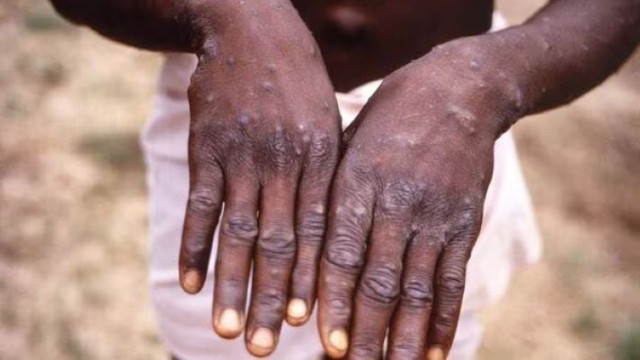
Infectious disease experts have warned that cases of Mpox are now emerging among newborns in Pakistan for the first time, raising serious public health concerns and pointing to inadequate infection control practices in hospitals as a key factor.
Speaking at a media roundtable at Aga Khan University Hospital on Wednesday, pediatric infectious disease specialist Dr Fatima Mir said cases have been reported from Khairpur in Sindh, where infants presented with symptoms including fever, weakness, and fluid-filled rashes. Some fatalities have also been reported.
She noted that mpox was previously observed mainly in adults, making its appearance in children - particularly newborns - a troubling development. "One of the major reasons for infection in newborns could be cross-infection in hospitals where proper hygiene and isolation protocols are not strictly followed," she said.
According to experts, the disease typically begins with fever, lethargy, and weakness, followed by the appearance of painful, fluid-filled lesions that may take two to four weeks to resolve. Immediate isolation of suspected patients is critical, they emphasised, along with timely reporting to health authorities. At home, infected individuals should also be kept separate, especially in households with vulnerable members.
Infectious disease specialist Dr Faisal Mahmood warned that mpox is no longer limited to travellers entering Pakistan but is increasingly showing signs of local transmission. While 53 confirmed cases were reported in 2025 - mostly linked to international travel - the trend appears to be shifting in 2026.
"In Karachi this year, one of the two confirmed cases was locally transmitted from Khairpur," he said.
Dr Mahmood expressed concern over poor infection control in some healthcare facilities, citing practices such as placing multiple patients on a single bed or admitting new patients without proper disinfection - both of which significantly increase the risk of disease spread.
He explained that although mpox symptoms resemble chickenpox, the lesions in the former typically appear at the same stage and are more painful. The disease spreads through close physical contact, contaminated clothing or bedding, and prolonged exposure to respiratory droplets.














This material may not be published, broadcast, rewritten, redistributed or derived from. Unless otherwise stated, all content is copyrighted © 2026 The Express Tribune.







COMMENTS
Comments are moderated and generally will be posted if they are on-topic and not abusive.
For more information, please see our Comments FAQ