Plan to tackle monsoon, cloudburst risks on cards
Updated May 19, 2026

Bhutta, a go-to snack for low-income households, offers cheap alternative to fast food
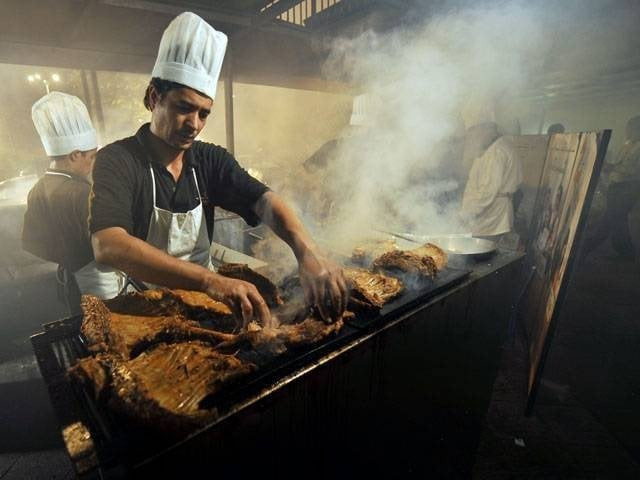
For many low-income families, a humble yet flavourful delicacysand-roasted corn, locally known as bhuttaserves as an affordable and satisfying alternative to more expensive fast food such as pizza.
A familiar sight in streets and neighbourhoods, labourers can be seen daily pushing handcarts while calling out "rait wali chhali" (sand-roasted corn), offering the popular traditional street snack. Unlike seasonal corn, this variety is available throughout the year.
Prepared by roasting corn in heated sand, it acquires a distinctive smoky flavour, making it both appetising and unique. Nutritious, inexpensive, and widely enjoyed across all age groups, it remains a staple snack for many.
Outside girls' colleges and the women's university, these carts are a regular feature from around 10am until closing hours. Corn seasoned with lemon and spices is particularly popular among students as a light yet flavourful midday meal, costing as little as Rs40 to Rs50.
Beyond educational institutions, such carts are now commonly seen in markets, industrial areas, and even outside Adiala Jail during political gatherings, reflecting their growing cultural presence.
Despite its simple appeal, the preparation of sand-roasted corn is labour-intensive and demanding. The process spans approximately 12 hours. In the Pirwadhai sector, large furnaces dedicated to this preparation begin operations at around 5pm. Each evening.
Workers ignite the furnace using wood and other combustible materials, heating it to high temperatures before adding sand. The furnace is then sealed and left closed from around 10pm until early morning.
By dawn, the heated sand is carefully transferred into handcarts already layered with corn. Alternate layers of sand and corn are arrangedtypically five to six layers per cartbefore being covered with damp sacks to retain heat. Within approximately 20 minutes, the corn becomes ready for consumption. Teams of labourers prepare over 300 carts daily, charging between Rs3,000 and Rs3,500 per cart for filling.
In most cases, the corn belongs to the vendors themselves, while around 60 per cent of hawkersmany of them from Khyber-Pakhtunkhwa (K-P)obtain prepared carts on guarantee from furnace owners.
Each corn cob yields a profit margin of Rs10 to Rs15 for the vendor, after paying Rs30 to Rs35 per cob to the owner. Not all stock is sold, with an estimated 20 to 30 per cent remaining unsold daily; therefore, independent vendors typically carry no more than 150 to 200 cobs.
There are currently three major furnaces operating across the twin cities of Rawalpindi and Islamabad, with similar setups expanding into nearby tehsils including Gujar Khan, Taxila, Kahuta, Kallar Syedan, and Kotli Sattian.




















This material may not be published, broadcast, rewritten, redistributed or derived from. Unless otherwise stated, all content is copyrighted © 2026 The Express Tribune.






COMMENTS
Comments are moderated and generally will be posted if they are on-topic and not abusive.
For more information, please see our Comments FAQ