Aga Khan wraps up Pakistan visit after high-level engagements with political leaders
Updated 2 hours ago

Hospital staff accused of exploiting SSP payments, causing losses worth millions over a decade
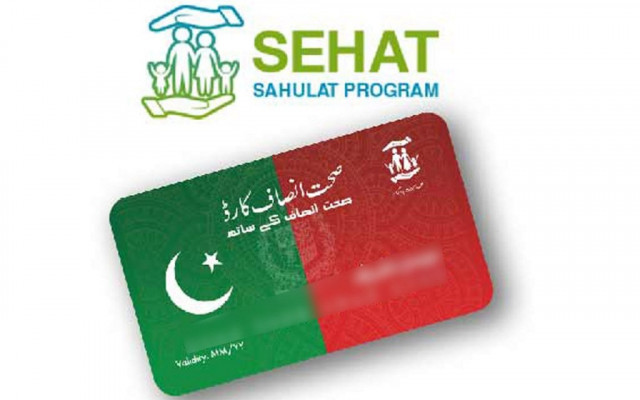
An internal audit at Khyber Teaching Hospital (KTH) has revealed financial irregularities in Khyber Pakhtunkhwa’s (K-P) Sehat Sahulat Programme (SSP). With 155 hospitals empanelled, including 61 public facilities, and covering treatment for more than 2,000 diseases, the review raises serious concerns about the program.
Doctors, nurses, and other hospital staff at Khyber Teaching Hospital (KTH) allegedly claimed payments for surgeries and medical procedures performed during official hospital duty hours under the SSP despite performing those procedures during regular morning duty hours in government hospital operating theatres (OTs), according to sources and an internal audit report available with The Express Tribune.
Surgeries conducted during official working hours are not eligible for additional payments under the scheme, revealed hospital sources. However, the doctors allegedly billed these procedures through the Institute-Based Practice (IBP) system, a mechanism designed to allow consultants to treat patients privately within hospital facilities after official duty hours.
“They performed surgeries during the morning shift in government theatres but later claimed payments under the IBP arrangement,” a hospital source familiar with the audit findings shared. He added, “This practice not only violated financial rules but also deprived the hospital of its rightful revenue.”
The audit pointed to questionable practices involving medicines and surgical supplies. Sources claimed that drugs and equipment prescribed to patients under the health card scheme were sometimes reused for other patients, while the costs were still billed as operational expenses under SSP claims.
Sources within the hospital further alleged that the suspected corruption involved a network of staff members, including technicians, nurses, and doctors, each contributing to what they described as a “systematic exploitation” of the programme.
Read More: K-P govt releases Rs3 billion for Sehat Card
Khyber Teaching Hospital received approximately Rs2.15 billion through health card treatments between 2020 and 2025, according to the official documents. Out of 108 consultants practising under the IBP system, between 24 and 30 surgical and allied consultants were allegedly involved in the questionable practices.
The audit reported that a total of 3,921 surgeries were performed under the scheme during the review period. Among them were 178 surgeries in which patients reportedly paid cash despite being eligible for free treatment under the health card facility.
The report also highlighted that the current revenue-sharing formula has contributed to financial imbalances within the hospital system. Under a revised arrangement introduced in 2020, doctors receive 45% of the revenue generated from health card treatments, anaesthesia services receive 15%, hospitals receive 32%, technicians 5%, and administrative staff 3%.
Hospital administrators argue that this formula leaves the institution with insufficient funds to cover overhead costs such as pharmacy services, utilities, maintenance, and infrastructure expenses, resulting in an annual financial loss exceeding Rs50 million, and over Rs500 million in the total duration of the program.
Launched in December 2015 by the provincial government, the SSP was initially introduced as a pilot project in four districts covering around 100,000 families. The initiative expanded significantly over time and by November 2020 was extended to cover the entire provincial population, registering approximately 5.4 million families.
Under the expanded programme, each registered family became eligible for medical treatment worth up to Rs1 million annually. The provincial government allocated nearly Rs18 billion for the initiative, making it one of the largest publicly funded health insurance programmes in the country.
However, the internal audit of the IBP system at Khyber Teaching Hospital has revealed structural flaws in financial oversight, governance, and operational controls.
Meanwhile, Project Director of the SSP, Dr Riaz Tanoli, acknowledged that complaints regarding irregularities had been received. However, he stated, “Corruption cannot be eliminated entirely,” adding that bodies such as the National Accountability Bureau (NAB) and anti-corruption authorities monitor the programme and can take action if wrongdoing is proven.
Chief Minister Sohail Afridi, speaking at a press conference, stated, “There will be zero tolerance for corruption.” He claimed, “Our priority is to ensure transparent health services for the people. Anyone involved in wrongdoing will face the law.”
Muzzamil Aslam, advisor to the CM for Finance, responded to The Express Tribune and said, “In such mega projects, 100% transparency is impossible.”



This material may not be published, broadcast, rewritten, redistributed or derived from. Unless otherwise stated, all content is copyrighted © 2026 The Express Tribune.



COMMENTS
Comments are moderated and generally will be posted if they are on-topic and not abusive.
For more information, please see our Comments FAQ