Muzaffarabad rally: A show of strength or a sign of PTI’s declining public pull?
Updated Apr 25, 2026

How PM's foresight and swift decision-making kept Pakistan's fuel supply lines intact while world scrambled
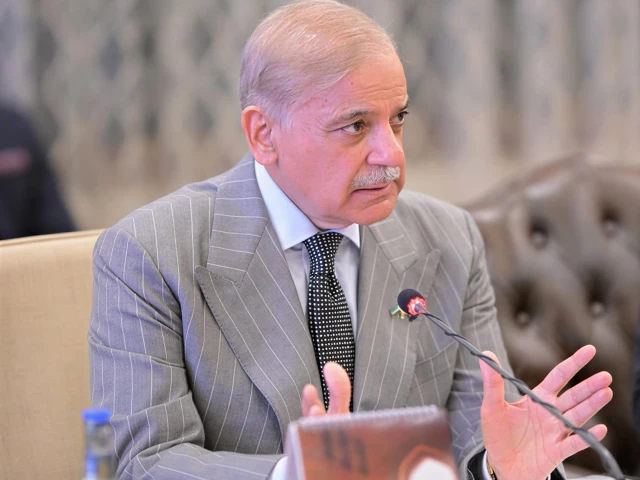
When the flames of war erupted across the Middle East and international oil markets plunged into chaos, nations far wealthier and far more resourced than Pakistan found themselves standing in petrol lines, rationing fuel, and watching helplessly as supply chains collapsed.
But in Pakistan, a different story unfolded—one of quiet resolve, pre-emptive planning, and a leader who refused to let his people bear the brunt of a crisis they did not create.
Prime Minister Shehbaz Sharif has once again demonstrated that in moments of national uncertainty, Pakistan is led by a man of action, not rhetoric. Over the past three weeks, as global crude prices shattered historic records and the cost of petroleum imports soared to unprecedented levels, the prime minister made a conscious, deliberate choice: the burden would not be passed to the common man. Not during Eid. Not when families were gathering at dinner tables. Not when farmers were preparing for the harvest season.
The numbers speak for themselves. The government absorbed a staggering Rs129 billion from the national exchequer to keep fuel prices stable while the rest of the world reeled. While nations across Asia, Africa, and even parts of Europe witnessed long queues at filling stations and acute fuel shortages, Pakistan’s supply lines remained unbroken.
There was no panic. There was no hoarding nor shortage. It happened because the prime minister took pre-emptive steps to secure supply agreements, coordinate with petroleum ministries, and ensure every fuel station in the country remained operational.
But the crisis deepened. International oil prices continued their relentless climb, driven by the US-Israel conflict with Iran and the broader destabilisation of Gulf shipping corridors.
Even the world’s most powerful economies buckled. And as historical records were crossed and the situation grew graver by the day, PM Shehbaz did what few leaders in Pakistan’s history have done. He convened the entire national leadership, the chief ministers of all four provinces, the leadership of Gilgit-Baltistan and Azad Jammu and Kashmir and forged a unified, national response to the crisis.
The result was a sweeping targeted subsidy programme: Rs100 per litre relief for motorbike owners, monthly financial support of Rs70,000 to Rs100,000 for goods transporters and public buses, Rs1,500 per acre assistance for small farmers, and a freeze on economy-class railway fares.
This was not a token gesture but rather a comprehensive, nationally coordinated shield designed to protect the most vulnerable segments of Pakistani society.
And then, even after all of this, the prime minister went further. In a late-night address to the nation on Friday, he announced an immediate reduction of Rs80 per litre in the petroleum levy on petrol, bringing the price down from Rs458 to Rs378 per litre—effective from midnight.
He also extended the salary sacrifice of federal cabinet members from two months to six months, directing the savings into the national exchequer.
This is the mark of a compassionate leader. Not one who waits for protests to force his hand, but one who feels the struggle of the common man in his bones and acts before it is too late. PM Shehbaz has consistently shown that crisis management is not about grand pronouncements, it is about results.
And the results are clear: uninterrupted fuel supply, Rs129 billion in absorbed costs, a historic national consultation with all provinces, targeted relief for the most affected, and now an Rs80 per litre levy cut that puts real money back into the pockets of ordinary Pakistanis.
In a region engulfed by conflict and an energy market defined by uncertainty, Pakistan’s prime minister has delivered. Consistently, decisively, and with the common man at the centre of every decision.
The writer is a London-based economist.
1710998259-0/pti-(1)1710998259-0-208x130.webp "story")




This material may not be published, broadcast, rewritten, redistributed or derived from. Unless otherwise stated, all content is copyrighted © 2026 The Express Tribune.






COMMENTS (1)
Comments are moderated and generally will be posted if they are on-topic and not abusive.
For more information, please see our Comments FAQ