Oil rises, stocks waver as new US strikes dampen peace deal hopes
Updated 9 hours ago

Rising fuel prices push weekly inflation to 9.12%; WoW index rises 1.01%
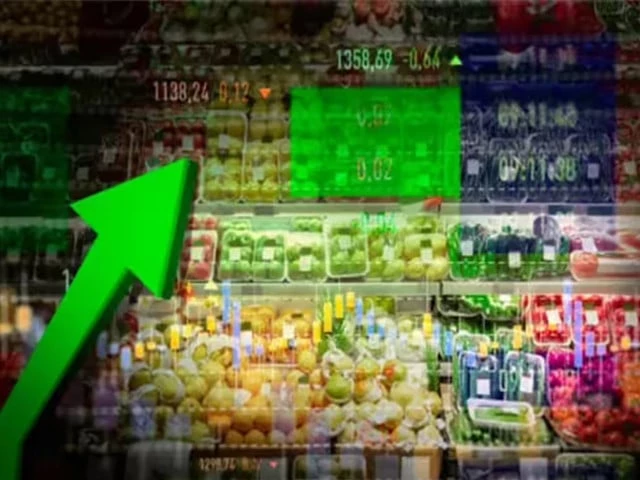
Inflationary pressures in Pakistan intensified further, with the Sensitive Price Indicator (SPI) recording a sharp 9.12% year-on-year (YoY) increase, reflecting the deepening impact of rising energy costs induced by the Israel-US war on Iran.
According to the latest weekly report issued by the Pakistan Bureau of Statistics (PBS), inflation rose by 1.01% week-on-week (WoW) for the week ended April 2, 2026, compared to a 0.97% increase in the previous week, marking a continued upward trend in prices for the third consecutive week.
The report highlighted that price pressures were largely driven by increases in essential food items and energy costs. Among the major contributors, liquefied petroleum gas (LPG) prices surged by 13.28%, followed by eggs (2.23%), chicken (2.13%), pulse mash (1.74%) and mutton (1.54%). Prices of milk, curd and beef also registered modest increases during
the week.
On the other hand, some relief was observed in select food items. Tomato prices declined by 6.03% and garlic, potatoes and onions also posted noticeable decreases. Wheat flour and sugar prices recorded slight reductions, partially offsetting the overall inflationary trend.
Out of the 51 essential commodities tracked, prices of 15 items increased, nine decreased, while 27 remained unchanged, indicating a broad-based but uneven inflationary pattern across the consumption basket.
On a yearly basis, energy costs remained the key driver of inflation. LPG prices jumped by 53.69%, diesel by 29.94%, gas charges by 29.85% and petrol by 26.17%, significantly contributing to the overall rise in the SPI. Food inflation also remained elevated, with wheat flour, onions, mutton and beef registering notable YoY increases.
The inflationary impact was visible across all income groups. The lowest income segment (earning up to Rs17,732 per month) experienced a YoY inflation rate of 7.46%, while middle-income groups faced higher pressure, with inflation reaching up to 9.28%. Even higher-income households saw inflation at 8.70%, reflecting widespread cost pressures across the economy.
It is pertinent to mention that Pakistan's headline inflation rate rose to 7.3% year-on-year in March 2026, according to the PBS, coming in below the government's projected range of 7.5-8.5%. This compares with 7% in February and just 0.7% in March last year, reflecting a low base effect.
On a monthly basis, the Consumer Price Index (CPI) increased by 1.2%, higher than February's 0.3%. During July-March FY26, average inflation stood at 5.67%. Urban inflation reached 7.4% YoY, while rural inflation was recorded at 7.2%.
Analysts expect the pace of inflation to remain moderate, supported by remittance inflows, though external risks may influence the outlook.








This material may not be published, broadcast, rewritten, redistributed or derived from. Unless otherwise stated, all content is copyrighted © 2026 The Express Tribune.













COMMENTS
Comments are moderated and generally will be posted if they are on-topic and not abusive.
For more information, please see our Comments FAQ