State Bank receives $1.3b IMF disbursement
Updated 7 hours ago

Production increase driven primarily by over 25% growth in motor spirit, high-speed diesel
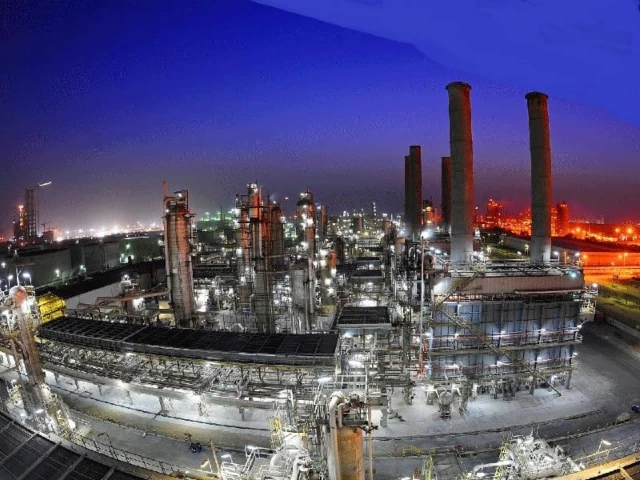
Pakistan's refining sector played a critical stabilising role in March 2026 as its throughput surged 13%, ensuring uninterrupted fuel supply at a time when global markets faced disruptions and several countries reported shortages and long queues.
Refinery throughput rose 13% year-on-year to 972,000 tons, driven primarily by strong growth in motor spirit (MS) and high-speed diesel (HSD), which increased 25.1% and 26.8%, respectively. The surge in these key transport fuels underscores the sector's ability to respond effectively to rising domestic demand during a period of external uncertainty.
Among key contributors, Cnergyico and Parco played a central role in maintaining supply flows. Both refineries significantly increased production of MS and HSD, ensuring product availability across the country and reducing reliance on imports.
In addition to transport fuels, local refineries also ramped up production of jet fuel to help meet critical aviation and defence requirements.
Industry data shows furnace oil sales declined 21.1% year-on-year, in line with a broader shift in the energy mix. However, stronger domestic consumption in other product segments helped offset this decline and supported overall refinery operations.
Timely government interventions further reinforced market stability. Measures aimed at facilitating crude inflows and managing pricing expectations enabled refineries to operate at higher utilisation levels, which prevented supply bottlenecks and helped avoid panic buying.
Industry stakeholders, however, stress that future policy direction will be key to sustaining this stability. There is a strong view that the government should prioritise local refining over increased imports of finished petroleum products. Encouraging domestic production not only strengthens energy security but also supports foreign exchange conservation and improves supply chain resilience.
At the same time, gradual reduction in subsidies is seen as necessary to streamline the market, reduce distortions and discourage hoarding. There is also growing consensus on deregulating oil pricing. A shift towards daily pricing mechanisms could enable faster cost pass-through and improve inventory management.







This material may not be published, broadcast, rewritten, redistributed or derived from. Unless otherwise stated, all content is copyrighted © 2026 The Express Tribune.
















COMMENTS
Comments are moderated and generally will be posted if they are on-topic and not abusive.
For more information, please see our Comments FAQ