Trump's outburst on Pope sets off global storm
Updated 5 hours ago

Expert says hospitals cannot afford long-term dialysis and transplants
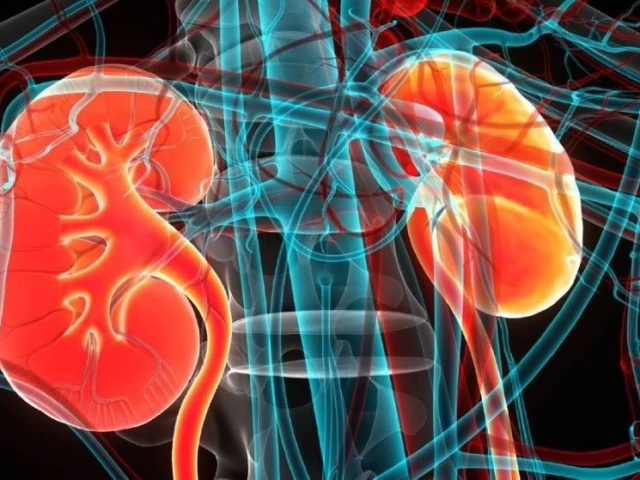
Pakistan's healthcare system lacks the capacity to cope with the rapidly increasing burden of kidney diseases, making early screening and prevention an urgent public health priority, experts warned on Monday.
Speaking to the media on the sidelines of a three-day international conference organised by the Pakistan Society of Nephrology (PSN), its president Dr Zahid Nabi said Pakistan ranks third globally in diabetes prevalence, with nearly 40 per cent of diabetic patients eventually developing kidney complications. "If preventive measures are not introduced now, the burden of kidney disease will increase significantly over the next eight to ten years," Dr Nabi said, stressing the need for a nationwide screening programme to ensure early detection and timely treatment.
He noted that chronic kidney disease places a heavy financial strain on patients and the healthcare system, adding that Pakistan's economy is not equipped to manage the long-term costs associated with dialysis and transplants at a large scale. He also emphasised the importance of promoting deceased organ donation programmes. He said patients declared brain-dead following accidents and admitted to intensive care units could potentially save multiple lives if families are properly informed and encouraged to consent to organ donation.
The PSN conference, held every two years, was organised at an international level this year, with participation from around 15 foreign experts from the United States, the United Kingdom, France, Italy, Saudi Arabia, Kenya and Bangladesh, alongside local specialists .According to Dr Nabi, the conference aimed to promote knowledge-sharing between international and Pakistani nephrologists, while providing young specialists an opportunity to learn from senior clinicians through research presentations and clinical discussions.













This material may not be published, broadcast, rewritten, redistributed or derived from. Unless otherwise stated, all content is copyrighted © 2026 The Express Tribune.





COMMENTS
Comments are moderated and generally will be posted if they are on-topic and not abusive.
For more information, please see our Comments FAQ