Pakistan key to Iran-US talks, says Vali Nasr
Updated 5 hours ago

Health experts term preventable thousands of annual childbirth deaths
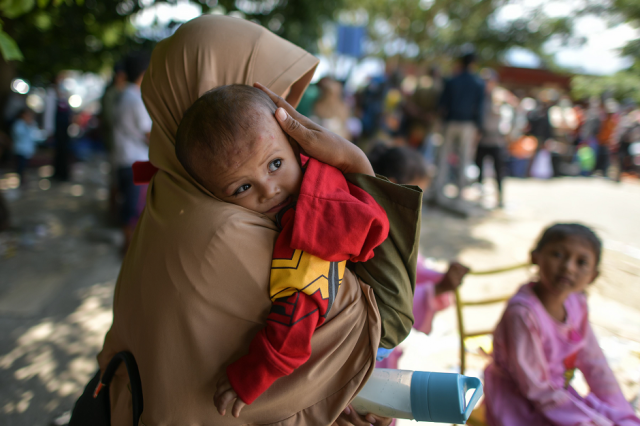
In many parts of the Punjab, becoming a mother is risky for women who go through repeated pregnancies due to lack of proper healthcare, limited access to family planning and social pressure to have more children. Some lose their lives during pregnancy or childbirth, which healthcare experts term preventable.
Fresh data shared by the Population Council in a fact sheet paints a disturbing picture. More than 52,000 maternal deaths occur annually in Punjab – many of them linked to unplanned and closely spaced pregnancies.
Health experts say a significant portion of these deaths could be avoided if women had better access to contraceptive services and the autonomy to make reproductive choices.
The findings reveal that increasing contraceptive use from the current 41 per cent to 59% could save approximately 2,300 mothers' lives every year. The same improvement could also prevent around 73,000 infant deaths annually, highlighting how family planning directly impacts both maternal and child survival.
According to the data, millions of women continue to face barriers in accessing even basic reproductive healthcare. In rural areas clinics are often understaffed or poorly supplied, while cultural norms discourage women from seeking contraceptive services. Many are left with little choice but to endure repeated pregnancies, risking their health each time.
Punjab's population growth is intensifying the crisis. With an annual growth rate of 2.53%, the population is expanding rapidly, placing a strain on healthcare facilities. Maternity wards, particularly in government hospitals, are frequently overcrowded, leaving doctors and nurses struggling to provide adequate care.
Infant mortality remains another critical concern as around 73 out of every 1,000 children die before their first birthday. The figure reflects not only gaps in neonatal care but also the impact of poor maternal health. Experts emphasise that healthier, well spaced pregnancies significantly improve a child's chances of survival.
Population Council Senior Director Dr Ali Mir
stressed, "When women are denied access to family planning, the consequences are severe. It is not just about population numbers but saving lives and protecting the health of mothers and children." He added that improving contraceptive access could dramatically reduce both maternal and infant mortality rates.
Another expert, Ikramul Haq, highlighted the structural challenges. "Punjab may have relatively better health infrastructure than other provinces but the pressure created by its large population undermines these advantages. Without focused interventions, the system will remain overwhelmed," he noted.
A comparison with other provinces reveals that Punjab's challenges are unique in scale. While Balochistan struggles primarily with access and infrastructure and Khyber-Pakhtunkhwa shows gradual improvement in some indicators, Punjab's massive population amplifies the consequences of any gaps in service delivery.
On a regional level, Pakistan continues to lag behind neighbouring countries such as India and Bangladesh where sustained investment in family planning has led to lower fertility rates and improved maternal health outcomes.
In contrast, Punjab's progress remains uneven with contraceptive use stagnating and population growth remaining high.
Observers suggest that misinformation, lack of awareness and limited decision making power for women are key factors behind low contraceptive use. In many households, women cannot independently decide the number or spacing of their children, leaving them vulnerable to repeated health risks.
The economic impact of the crisis is also significant as rapid population growth places additional pressure on public resources, from healthcare and education to employment opportunities. Analysts warn that without immediate action these challenges will intensify in the coming years.
The data underscores that Punjab's maternal and infant health challenges are deeply tied to unmet family planning needs. The burden of unchecked population growth continues to fall most heavily on those with the least power to change the circumstances.















This material may not be published, broadcast, rewritten, redistributed or derived from. Unless otherwise stated, all content is copyrighted © 2026 The Express Tribune.







COMMENTS
Comments are moderated and generally will be posted if they are on-topic and not abusive.
For more information, please see our Comments FAQ