Lizzo shares two big lifestyle updates that have her feeling 'in control'
Updated 9 hours ago

He led Sega’s most influential consoles and later steered its exit from hardware
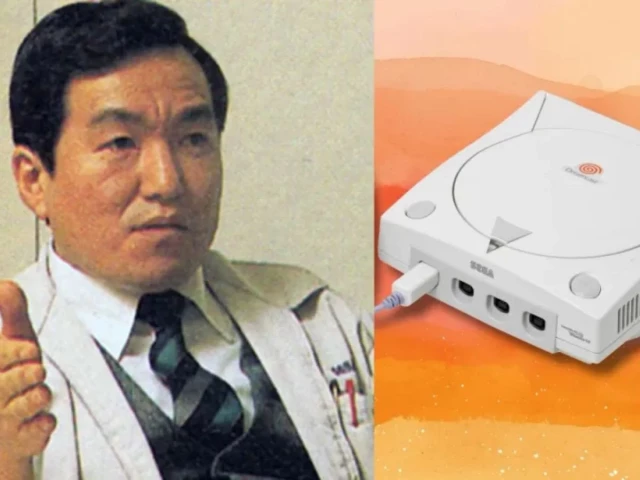
The video game industry is mourning the loss of Hideki Sato, the longtime Sega executive widely credited as the father of the company’s home console hardware.
Sato died on 13 February 2026 at the age of 75, according to Japanese gaming outlet Beep21.
Born on 5 November 1950, Sato joined Sega in 1971 and spent more than three decades shaping the systems that defined the brand’s most influential years. He led hardware development on every Sega home console from 1983 until the company exited the console business in 2001.
His engineering leadership spanned a pivotal era in gaming history, including the SG-1000, Master System, Mega Drive known as the Genesis in North America, Sega Saturn, and the Dreamcast. Together, those platforms powered Sega’s rise during the arcade boom and the 16-bit console wars of the 1990s.
Following the death of Isao Okawa in 2001, Sato stepped into the role of Sega president, serving until 2003. During his tenure, he helped guide the company through its transition away from hardware manufacturing and toward third-party software publishing. That strategic shift came just before Sega’s 2004 merger with Sammy, forming Sega Sammy Holdings.
In a tribute shared on X, Beep21 described Sato as a towering figure in Japanese gaming history whose pioneering spirit captivated Sega fans worldwide. The outlet noted that his enthusiasm for innovation left a lasting mark on the industry.
Sato’s passing follows the death of Sega co-founder David Rosen, who died in December 2025 at age 95.
For generations of players, Sato’s work was more than circuitry and silicon. The consoles he helped create became the foundation for after-school gaming sessions, fierce rivalries, and an era of bold experimentation that continues to influence game design and hardware development today.
1732434981-0/BeFunky-collage-(10)1732434981-0-208x130.webp "story")

1730286911-0/BeFunky-collage-(87)1730286911-0-208x130.webp "story")













This material may not be published, broadcast, rewritten, redistributed or derived from. Unless otherwise stated, all content is copyrighted © 2026 The Express Tribune.






COMMENTS
Comments are moderated and generally will be posted if they are on-topic and not abusive.
For more information, please see our Comments FAQ