UK envoy commends, supports Pakistan's role in bringing US-Iran on negotiating table
Updated 2 hours ago

Leadership tussle deepens as senior figures push sons for key positions
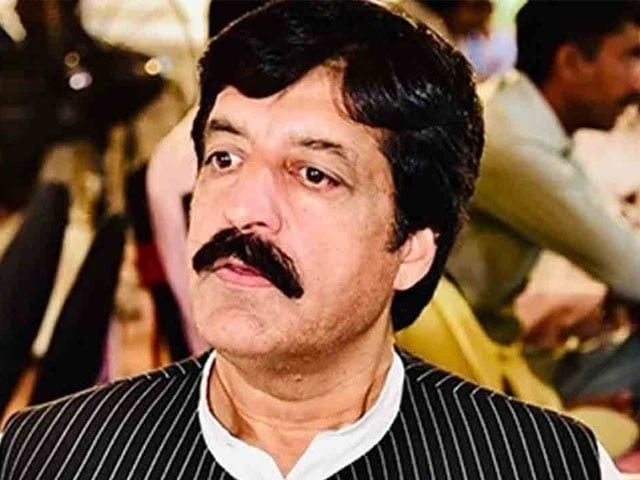
Efforts to end long-standing infighting and group politics within the Pakistan Peoples Party (PPP) Rawalpindi through fresh organisational restructuring at the divisional, district, tehsil, city, and cantonment levels have themselves been delayed due to renewed internal disputes.
Differences among party workers have intensified over the proposed recommendations for the new organisational setup.
PPP Rawalpindi has remained plagued by internal rifts since the era of General Zia-ul-Haq.
During the tenures of Chaudhry Mushtaq and the late Agha Riazul Islam, these disputes were confined to drawing rooms, but resurfaced openly after their removal.
These divisions have caused continuous political damage to the party. During Benazir Bhutto's tenure as chairperson, PPP would secure one or two National Assembly seats and four to five Provincial Assembly seats from Rawalpindi-Islamabad.
After her assassination, party candidates began losing even their security deposits, including from her martyrdom constituency.
Currently, PPP has no strong constituency in Rawalpindi, and due to severe internal disputes, the party contests elections merely as a formality. Under the new organisational proposals, Mian Khurram Rasool has been suggested as the city president.
For the divisional presidency, Punjab Governor Sardar Saleem Haider and former prime minister Raja Pervez Ashraf are both pushing for the nomination of their sons, triggering an intense behind-the-scenes political battle.
It has also been decided to separate the newly created Murree district from the Rawalpindi district. For District Murree, senior party worker Asif Satti is likely to be assigned an important role as president or secretary.
The reorganisation was supposed to be completed by Benazir Bhutto's death anniversary, but has been postponed due to renewed disputes.
Analysts say that unless PPP resolves its internal conflicts and presents a united front, the party is unlikely to regain its former political influence in Rawalpindi. Experts warn that continued factionalism could further erode voter confidence and hand an advantage to rival parties, leaving PPP struggling to remain relevant in its traditional strongholds. Insiders suggest that the success of the reorganisation will largely depend on the leadership's ability to balance competing interests and accommodate influential party figures.
Party workers fear that whichever faction or existing setup is removed during the restructuring will immediately begin opposing it. There is also a proposal to politically downgrade Punjab Vice President Khalid Nawaz Bobby by appointing him as divisional secretary. The new party organisation is expected by the end of January.






This material may not be published, broadcast, rewritten, redistributed or derived from. Unless otherwise stated, all content is copyrighted © 2026 The Express Tribune.



COMMENTS
Comments are moderated and generally will be posted if they are on-topic and not abusive.
For more information, please see our Comments FAQ