Woman dies after alleging sexual assault by husband
Updated May 26, 2026

Urban residents turn living spaces into thriving mini jungles for calmer, cleaner air
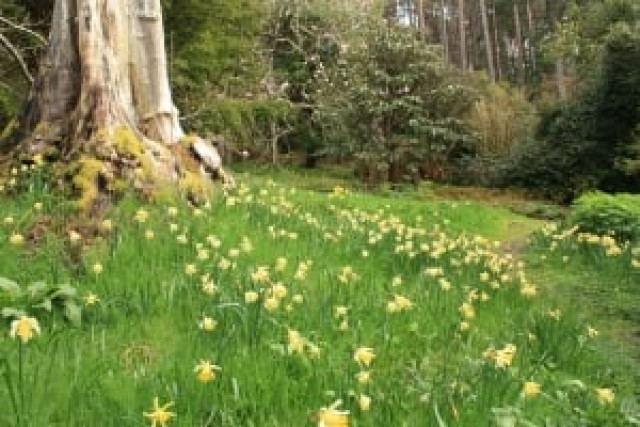
A wave of green is sweeping across Pakistan's capital as indoor plants emerge as the latest lifestyle and wellness trend among Islamabad's residents. From high-rise apartments in the Blue Area to cosy homes in G-10 and F-11, people are transforming their living spaces into miniature urban jungles.
Fuelled by social media inspiration, growing environmental awareness, and the desire for serenity and cleaner air, this movement is reshaping the city's aesthetic and mindset. What was once considered a niche hobby has blossomed into a mainstream lifestyle choice for young professionals, homemakers, and students alike.
Local nurseries have reported a notable 4050 per cent rise in indoor plant sales over the past year. "The most sought-after varieties are snake plants, peace lilies, spider plants, pothos, and rubber plants, which are known for their air-purifying qualities," said Muhammad Imran, owner of Green Garden Nursery in F-8 Markaz. "Compact species such as succulents, jade plants, and cacti are also extremely popular among young professionals who prefer low-maintenance greenery," he told APP.
Vendors at Islamabad's Sunday Bazaar have observed similar trends. "People now arrive well-informed, asking about lighting, watering schedules, and growth habits," said Sadia Khalid, a home gardener and influencer. "Monstera deliciosa, ZZ plants, and fiddle-leaf figs are especially popular for their 'Instagram-worthy' appeal," she added.
Experts highlight that the appeal of indoor plants extends well beyond decoration. They enhance air quality by absorbing carbon dioxide and toxins, reduce stress and anxiety, and boost focus and productivity. "Having plants nearby creates a sense of calm and grounding," explained Dr Saima Rehman, an environmental psychologist at Quaid-i-Azam University. "It's like bringing a piece of nature into one's routine - a simple yet powerful antidote to urban stress."
Many residents are also cultivating small kitchen herb gardens featuring mint, coriander, basil, and lemongrass on sunny windowsills. "It's refreshing to pluck fresh mint for tea or coriander for cooking," said Hina Malik, a homemaker from F-10. "It saves money and adds a natural touch to everyday life."
Environmentalists have praised the trend, noting its contribution to sustainable living. "Even small indoor gardens promote mental well-being and eco-friendly habits," said activist Asad Mehmood.
Globally, the indoor greenery movement has inspired writers and botanists alike. In The Well-Gardened Mind, psychotherapist Sue Stuart-Smith explores how nurturing plants mirrors emotional growth, while American botanist Robin Wall Kimmerer, in Braiding Sweetgrass, reminds us that tending to green life fosters gratitude and mindfulness.
Still, experts caution that enthusiasm must be balanced with care. Overwatering, poor drainage, or inadequate sunlight can quickly lead to wilting, while certain species may be toxic to pets or children.
Today, cafés, co-working spaces, and boutiques across Islamabad are embracing biophilic design - with plant walls, bamboo corners, and hanging vines. As interior designer Ayesha Rauf observed, "What began as décor has evolved into culture. Islamabad is slowly becoming a city that breathes indoors."














This material may not be published, broadcast, rewritten, redistributed or derived from. Unless otherwise stated, all content is copyrighted © 2026 The Express Tribune.








COMMENTS
Comments are moderated and generally will be posted if they are on-topic and not abusive.
For more information, please see our Comments FAQ