China sends astronaut on year-long space mission as it eyes 2030 moon landing
Updated May 24, 2026

Exynos 5410 supports 3GPP Release 17, the global standard for satellite mobile connectivity
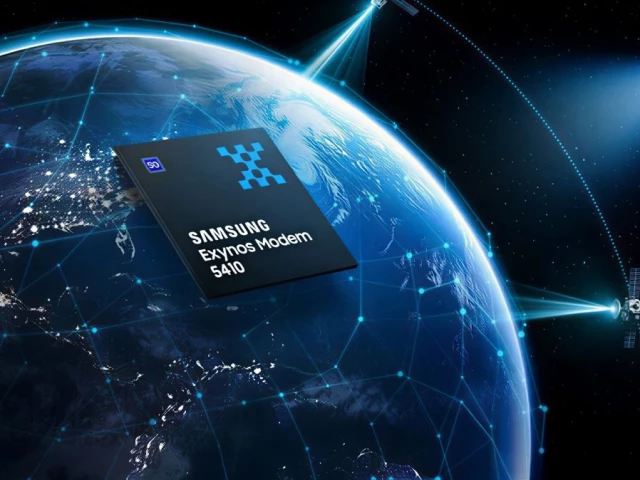
Samsung is preparing a major leap in smartphone connectivity, with its upcoming Galaxy S26 lineup expected to support full satellite voice calling, moving beyond the emergency-only messaging currently available on most devices.
The development is linked to Samsung’s newly unveiled Exynos Modem 5410, a next-generation chip designed to handle both conventional cellular networks and satellite communication within a single modem. If implemented, the feature would allow users to make voice calls via satellite, even in areas without terrestrial network coverage.
At present, satellite features on smartphones — including Apple’s Emergency SOS — are largely limited to sending short text messages during emergencies. Samsung’s reported plans suggest a more ambitious approach, positioning the Galaxy S26 as one of the first flagship phones to offer broader satellite-based communication.
Read More: Google rolls back portrait lock setting in Phone app beta
According to Samsung, the Exynos Modem 5410 supports 3GPP Release 17 standards, the global framework underpinning modern satellite and non-terrestrial mobile networks. This standard is increasingly being adopted by carriers and satellite operators worldwide to extend mobile coverage beyond traditional infrastructure.
Power efficiency has been a key challenge for satellite connectivity, which typically consumes more energy than standard cellular communication. Samsung claims the new modem is designed to minimise power consumption while maintaining stable satellite links — a critical factor if satellite calling is to be practical for everyday use.
Samsung has been investing in satellite-enabled technology for several years, but the Galaxy S26 could be the first device to bring these efforts together in a consumer-ready product. Reports suggest the company aims to offer satellite voice support from launch, rather than limiting the feature to emergency use.
If confirmed, the move would mark a significant shift in smartphone connectivity, potentially allowing users to stay connected whether in urban centres, remote regions, or areas affected by network outages.








This material may not be published, broadcast, rewritten, redistributed or derived from. Unless otherwise stated, all content is copyrighted © 2026 The Express Tribune.












COMMENTS
Comments are moderated and generally will be posted if they are on-topic and not abusive.
For more information, please see our Comments FAQ