Asian Cup draw set for May 9
Updated 9 hours ago

There is no doubt that social media has revolutionised communication
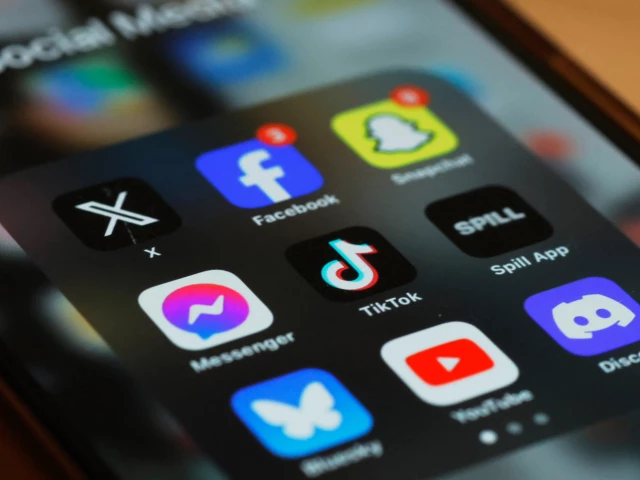
I was talking to a friend through my AirPods when a message notification popped up on my phone. I casually glanced at it — and froze. A post claimed, “Former captain so-and-so has passed away.”
I told my friend, “I’ve just seen something strange. I’ll call you back.” This wasn’t just a name on a screen. I had known this cricketer personally for years. I tried calling him immediately, but there was no response. Although I knew he was healthy, my mind went into overdrive. That very morning I had sent him my column on WhatsApp – the blue ticks showed he had read it.
Then my phone rang.
His name flashed on the screen.
I answered in panic before he cheerfully said, “Alive… alive!” and burst into laughter.
“They’ve killed me today!” he said. “Do people even think about what such news does to someone and their family? My phone hasn’t stopped ringing all day. I’ve been busy convincing everyone that I’m still alive.”
A little later, I saw another cricketer’s post saying, “I spoke to him. He is alive.” Ironically, it helped spread the rumour even further. People who hadn’t seen the original post now became aware of the fake news.
This is the paradox of social media.
There is no doubt that social media has revolutionized communication. Your words can now reach the world in seconds. Language barriers have disappeared. In the past, newspapers informed us the next day. Then came television. Now, information travels instantly.
But the real question is: How do we separate truth from lies?
In the old days, fake statements were easier to doubt. Today, with AI-generated videos and manufactured content, it’s getting harder to tell what’s real and what isn’t.
Even in cricket, misinformation spreads wildly. Recently, a “verified” account under Babar Azam’s name followed me. When I checked, it wasn’t him — just someone using a similar username.
Once, the blue tick meant authenticity. Now, anyone can buy one for a monthly fee. Its value has been diluted.
People now fabricate quotes from famous players just to attract attention. If someone dislikes a player, they create a negative fake statement in a famous name. Since it matches their bias, people believe it — and share it.
Even established media organizations sometimes fall into this trap. Viral posts are shared without proper verification because clicks and engagement have become more important than accuracy. Some even fabricate praises from international stars for local heroes. Fans feel good, the accounts earn money — but truth suffers.
Whenever I see a suspicious story, I try to verify it. Most of the time, there is no credible source behind it.
We were always taught: No news is better than false news. Unfortunately, in today’s race to be first, that principle has been forgotten.
When social media first arrived, it hurt traditional media. Players who once relied on journalists began posting directly to fans. Those who couldn’t manage their accounts hired people to run them.
Journalists adapted too. We joined social platforms, expanded our reach, and learned the new language of digital media.
Every technology brings benefits. But understanding and controlling its dangers is equally important.
The average user believes what they see. I am a media professional, yet I was shaken by a fake post. Imagine the impact on common people.
Always check the credibility of the source. A blue tick alone means nothing now — reputation matters more.
Media houses must also resist sensationalism. False news might bring quick money, but lost credibility is almost impossible to regain.
Sports, at least, should have a central portal where people can verify headlines. You can’t doubt everything — but you should be able to confirm what seems suspicious.
Platforms themselves must act. Accounts that repeatedly spread misinformation should be permanently banned.
Until social media develops real credibility, traditional media will continue to survive — because in the end, truth still matters.









This material may not be published, broadcast, rewritten, redistributed or derived from. Unless otherwise stated, all content is copyrighted © 2026 The Express Tribune.











COMMENTS
Comments are moderated and generally will be posted if they are on-topic and not abusive.
For more information, please see our Comments FAQ