Govt eyes $6b auto exports with DLTL scheme
Updated 1 hour ago

Textile exports rise 1% as trade deficit widens to $12.29b
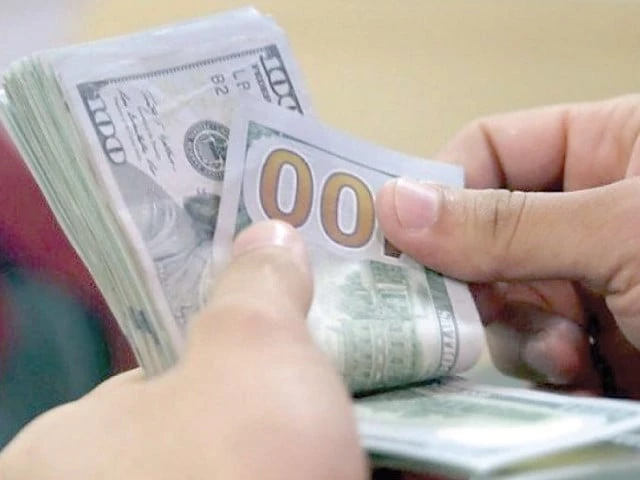
The growing dependence on overseas workers to support the country's external account is becoming increasingly evident, as record remittance inflows continue to compensate for the weakness of traditional export sectors. While money sent home by expatriates is providing much-needed foreign exchange, the sluggish performance of textiles and the widening merchandise trade gap raise questions about the country's ability to generate sustainable export growth.
Remittances reached $14.8 billion during the first four months of FY27, an increase of 14% over the corresponding period last year. October alone brought in $3.9 billion, an encouraging development that has helped keep the current account deficit within manageable limits. The State Bank of Pakistan (SBP) has consequently raised its full-year remittance projection to $45 billion, expecting the shift towards formal banking channels to continue.
However, economists and overseas Pakistani businessmen said there is a difference between earning foreign exchange through exports and receiving money sent by Pakistanis working abroad. Remittances support household consumption, strengthen the balance of payments and provide liquidity to the banking system, but they cannot replace the industrial capacity and productive activity required to build a competitive export economy.
"Over the period of time, the ineffectiveness of our export economy is becoming a burden for Pakistan's economy," said US-based entrepreneur Sheikh Tahir Imran. He added there are some sectors which are rising in terms of percentage, but that will not be enough to support the economic ecosystem of the country in the coming years. "Now there should be a much tougher check and balance on traditional export sectors, enjoying huge policy benefits for decades, by imposing penalties if they fail to reach desired results in the future," Imran added.
Pakistan's merchandise exports struggle to match the pace of import growth. Goods exports increased by just 8% to $11.35 billion during July-October, while imports rose 13% to $23.64 billion, widening the goods trade deficit by 17% to $12.29 billion.
The textile industry, traditionally the country's largest source of export earnings, is particularly disappointing. Textile exports increased by a marginal 1% to $6.3 billion during the four-month period, offering little evidence of a meaningful turnaround despite the sector's central position in government export and industrial policies.
The industry's weak performance raises uncomfortable questions about the effectiveness of existing support measures. Exporters have repeatedly sought competitive energy prices, affordable financing, tax refunds and a predictable policy environment. Yet the sector has struggled to translate its importance to the economy and its access to policy concessions into significantly higher export earnings.
"Pakistan's export problem cannot be addressed through incentives and policy announcements alone," said economic analyst Shahid Anwar. What the country needs is a professional and results-oriented export promotion system that can help businesses identify international buyers, enter new markets and convert trade opportunities into actual export orders, Anwar added, arguing that institutional weaknesses remain a major obstacle to export growth.
The weakness in exports is becoming more apparent as imports continue to expand, particularly in sectors where domestic production and import substitution remain important policy objectives. Automobile-related imports increased 29% to $1.5 billion, with car imports, including completely built-up and knocked-down units, rising 52% to $966 million during the four-month period.
The sharp increase comes as the government prepares its Auto Policy 2026-31, raising questions about whether greater import liberalisation will strengthen competition at the cost of domestic manufacturing. While consumers may benefit from greater choices and potentially lower prices, the expansion of vehicle imports could add to foreign exchange pressures unless local production and vendor development receive equal attention.
Some relief has come from services exports, which increased 23% to $3.7 billion. Information technology exports rose 20% to $1.7 billion, reaching a monthly record of $453 million in October. Food exports also grew 20% to $1.8 billion, supported by a 46% increase in rice shipments.
Imran, however, said these gains have yet to offset the weakness in merchandise exports. "With remittances providing much of the cushion, Pakistan's external account may remain manageable in the near term, but the bigger question is why an economy that has spent decades supporting its traditional export industries is still waiting for them to deliver the growth needed to reduce its dependence on dollars earned elsewhere," Imran added.














This material may not be published, broadcast, rewritten, redistributed or derived from. Unless otherwise stated, all content is copyrighted © 2026 The Express Tribune.






COMMENTS
Comments are moderated and generally will be posted if they are on-topic and not abusive.
For more information, please see our Comments FAQ