IMF warns of fiscal strain
Updated 50 minutes ago

Economists dub IMF 'anti-growth' as Binici dodges difficult questions
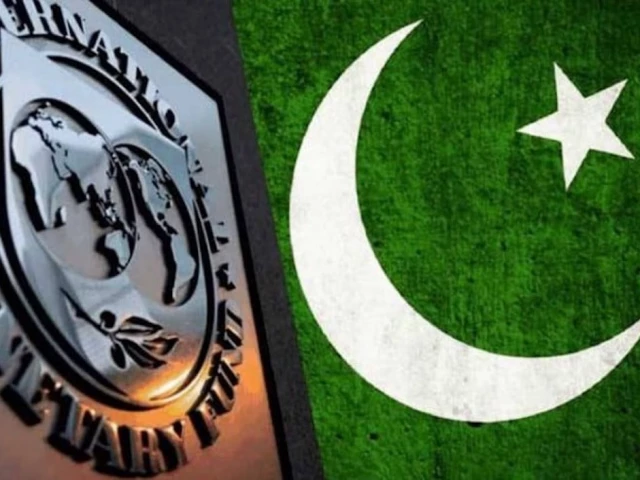
The International Monetary Fund (IMF) resident representative cautioned on Thursday that Pakistan's fiscal position can weaken over the medium term due to rising imports and any moderation in remittances but did not explicitly say whether Islamabad can avoid another programme.
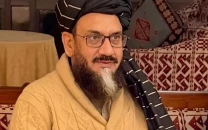
"To be candid on the medium-term outlook, we also project that the fiscal position over the medium term can weaken as imports rise and remittances moderate, so we have to continue building buffers," IMF Resident Representative Dr Mahir Binici said in his keynote speech at the Pakistan Prosperity Forum. The Policy Research Institute of the Market Economy (PRIME) arranged the conference.
Binici's speech focused on why growth in Pakistan "is disappointing", what the global backdrop means for Pakistan, and which reform matters the most.
The IMF's country head's speech came amid a heated discussion about the need for new provinces to improve Pakistan's social and economic indicators.
The discussion about the creation of new provinces and devolution was important and he believed that "we have to achieve devolution one way or the other", said Minister of State for Finance and Revenue Bilal Azhar Kayani soon after Binici's speech.
Kayani said cash grants do not address the long-term problem and there was a need to seriously review the current National Finance Commission (NFC) resource distribution formula. The minister was referring to the Rs1.035 trillion cash grant that the provinces have pledged this fiscal year to fund part of defence needs and building large dams.
Pakistan has the stability to start, but sustained, fair and well-sequenced reform is what can turn that stability into higher, more sustained growth and also prosperity, said Binici.
But on the question of whether Pakistan can avoid another IMF programme for the next five years after the current $7 billion bailout package expires in less than one year, Binici did not give a clear answer.
"Pakistan's structure is driven by a saving-investment gap, so a current account deficit is natural and in line with fundamentals. Our assessment is that over the medium term the (current account) deficit remains below 1% of GDP," said Binici.
He further said that over the medium and longer term, the focus for both fiscal and external sustainability, we need to deliver reforms on the fiscal side and on trade policy and the external sector so that buffers keep building and remain organic and resilient.
Binici said exports were the key driver of growth and external sustainability and significant efforts are still needed to build a better, broader, more predictable and solid taxation system that keeps the fiscal position strong.
Pakistan's three-year Extended Fund Facility ends in September next year and the discussion among observers has already started about the timing of any new IMF programme due to the nation's weak economic fundamentals.
The IMF representative said Pakistan's weak economic growth was structural and not cyclical. Binici went on to say that economic policies have favoured incumbents and home market resources have been misallocated. The resident representative said the tax base has been too narrow to fund investment in people and infrastructure. These long-term challenges have also made Pakistan fall behind its peers.
Binici said the core of the issue has been low investment in physical and human capital. Investment has fallen and as a result weak productivity, low investment and subdued exports reinforce each other. Exports have also slipped to about 10% of GDP, with many workers remaining in low-productivity agriculture, he added.
Binici said "stabilisation has been necessary but not sufficient, and there is a need for a certain push on structural growth to change the trajectory over the medium and longer term".
Pakistan's "buffers are still moderate, and the gains can be reversed if policy discipline becomes weaker".
Rizwan Rawji, a supply-side economist, delivered a severely critical speech of the IMF's programmes. "The IMF has been peddling wrong advice, which is delivered with brutal diktat and is anti-growth," said Rawji.
In one of the harshest comments on the programme, Rawji said that the "IMF buffers were for the duffers" and the tax targets were delivered at the expense of higher economic growth.
The IMF resident representative said that tighter global financial conditions would be another element that would test the buffers that have just been built by Pakistan.
Against moderate buffers and the challenging global environment, the key downside risks for Pakistan remained very significant, including conflict escalation, commodity price hikes, tighter global financial conditions and trade disruptions, said Binici.
"That is why we have to stick with some of these policies to remain as shock absorbers, including enhancing exchange rate flexibility, anchoring monetary policy toward the medium-term inflation target, enabling energy price pass-through with well-targeted support, and fiscal prioritisation," according to the resident representative.
Binici said there was still a significant amount of work that needed to be done to improve administration, and this can be an enabler. Several areas we consider the highest priority: direction when it comes to organisation of GST, broadening the tax base especially through higher non-income salaried class, retail and agriculture, and phasing out distortionary withholding and minimum tax regimes that can ensure revenue neutrality.
Senior Economic Advisor at the British High Commission Louie Dane said international evidence was striking. He said every country that sustained income growth above 7% for 15 years also grew its economy by more than 10% a year over that period. No country managed a period of rising per capita income without rising exports, said Dane.
He said countries that have grown have listened to their exporters. Secondly, they drove down costs. Dane said Pakistan needs to streamline rules and harmonise with international standards, and backed by testing that international buyers can trust.
Kayani said the government held extensive discussions with the exporters and met their recommendations, including abolishing the Export Development Surcharge and reducing taxes.
CEO of PRIME Ali Salman said Pakistan can grow faster by reforming the Planning Commission, reforming the tax structure, harmonising business rules and abolishing the Economic Coordination Committee. "For these reforms we do not need foreign loans."









This material may not be published, broadcast, rewritten, redistributed or derived from. Unless otherwise stated, all content is copyrighted © 2026 The Express Tribune.



COMMENTS
Comments are moderated and generally will be posted if they are on-topic and not abusive.
For more information, please see our Comments FAQ