Horrors of the internet
Updated 1 hour ago

.
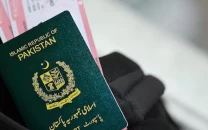
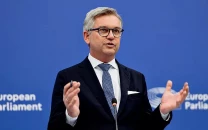
Pakistan, a perpetual recipient of assistance from the Washington-based lending institutions – the IMF and World Bank – has earned the unique honour of being named as the incoming chair of the Boards of Governors of the Fund and the World Bank Group for next year. It is the first time since 1953 that the developing country has secured this august seat. Pakistan has entered into 25 IMF programmes, and has also been a major recipient of assistance from ABD and other lending agencies. Ahad Khan Cheema, who is also Pakistan's governor to the World Bank, will shortly assume the position in Bangkok. It is a distinction, indeed, as Pakistan was chosen from among more than 15,000 participants across 191 countries.
Pakistan has been at the vanguard of advocating reforms to global organisations. At the United Nations, it has consistently advocated for abolishing the veto power, and opposed the expansion of the Security Council's permanent membership. Currently, it is serving a two-year term as an elected non-permanent member of the UN Security Council and holds the final presidency of the UN Conference on Disarmament for 2026. Islamabad, likewise, assumed the chairmanship of the SCO Council of Heads of State for the 20262027 and is also heading the Governing Council of the Borrowers' Platform for the 20262027 work plan. These credentials illustrate the country's positive role, amongside its efforts to mediate between Iran and the United States. The landmark Islamabad MoU, which the UN Secretary-General termed as the 'framework for permanent peace,' is a case in point.
With a leadership role at IMF and the World Bank, Pakistan will be better positioned to contribute to global economic and development discussions. Its intention has always been to facilitate constructive dialogue among member countries, strengthen South-South cooperation, and work against poverty and discrimination. As an ardent supporter of multilateralism, Pakistan believes in a just economic order in which the dominance of an elite group is reduced to give developing countries a greater say. This is essential to building stronger institutions and mobilising private capital to support sustainable and inclusive growth.





This material may not be published, broadcast, rewritten, redistributed or derived from. Unless otherwise stated, all content is copyrighted © 2026 The Express Tribune.

COMMENTS
Comments are moderated and generally will be posted if they are on-topic and not abusive.
For more information, please see our Comments FAQ