Oil falls as Russian diesel supply prospects counter Gulf supply risks
Updated 2 hours ago

Amid US-Iran war, importers looking for fuel alternatives from West Africa to Indonesia
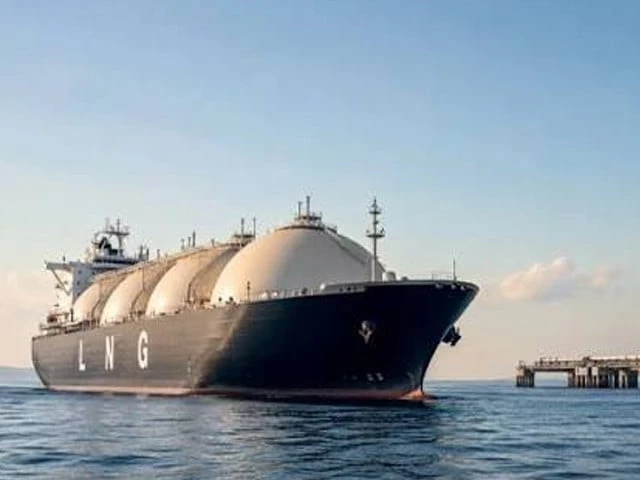
Liquefied natural gas (LNG) buyers are looking to diversify sourcing as the US-Israel war against Iran cuts Gulf shipments, with importers seeking alternatives for the fuel from other suppliers ranging from West Africa to Indonesia.
While Asian governments look to lock in LNG from sellers with access to various sources, producers and trading firms want to widen supply pools by taking stakes in gas projects and buying from different countries, officials and industry executives said during last week's Gastech conference.
"A lot of governments are thinking not just diversification of the suppliers, but diversification of supply routes," Sue-Ern Tan, the Head of the International Energy Agency's regional cooperation centre in Singapore, said at Gastech.
The diversification push could boost projects outside the US and Qatar, which dominate planned capacity additions, although Qatar's LNG infrastructure was damaged early in the war.
Thai state firm PTT is looking to Oman, North America and West Africa for supplies, Bandhit Thamprajamchit, Chief Operating Officer of its upstream petroleum and gas business, said. Its trading arm inked a long-term deal with Norway's Equinor for supply on Friday.
Before the Iran war effectively closed the Strait of Hormuz, Bangladesh was reliant on Qatar for the bulk of its LNG imports. Now, it is looking at Indonesia, Australia and China, Bangladesh's Power Minister Iqbal Hasan Mahmud told the conference.
Early in the Iran war, Asian state energy buyers were forced to buy replacement cargoes from the spot market, with the likes of PetroChina and India's GAIL able to swing to other regions for replacement supply, but paying premiums to do so.
Despite the loss of 36 million metric tons of supply from the Middle East, new capacity additions meant that the net supply loss this year is only around 5 million tons, or 1%-1.5% of global supply, Tom Summers, Executive Vice President for LNG Marketing and Trading at Shell, said at the conference. An additional 70 to 80 new LNG vessels each year also provides more shipping flexibility, he said.
High LNG prices and demand for diversified supplies have boosted the prospects for new producers such as Argentina, East Timor and Tanzania, according to the conference speakers.













This material may not be published, broadcast, rewritten, redistributed or derived from. Unless otherwise stated, all content is copyrighted © 2026 The Express Tribune.









COMMENTS
Comments are moderated and generally will be posted if they are on-topic and not abusive.
For more information, please see our Comments FAQ