$1.2b loan accord reached with IMF
Updated 3 hours ago

Association warns restrictions will hurt businesses, raise unemployment and undermine foreign exchange targets
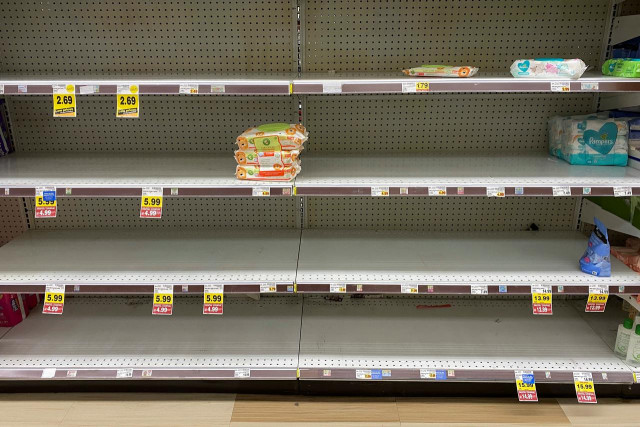
The All Punjab Grocers Association on Friday rejected the government’s new austerity measures, saying grocery shops would not close at 9pm and warning that the restrictions would hurt businesses and increase unemployment.
The announcement came hours after the federal government reintroduced austerity and fuel conservation measures on Thursday and directed provincial governments to adopt similar steps. Punjab had previously maintained closing times of 9pm for shops, 10pm for marriage halls and 11pm for restaurants.
In a video message, APGA President Hafiz Arif Gujjar said, “No country in the world closes food shops, even in wartime conditions.” He said the association would not close grocery shops at 9pm and would resist the government’s decision. “The government’s decision to close shops at 11pm was also harmful to businesses,” he added.
Gujjar further said imposing a smart lockdown was “tantamount to taking the country backwards”, warning that the move would damage the business community and make it difficult to meet foreign exchange targets.
“Millions of people will lose their jobs after the lockdown,” he said, adding that the decision would increase unemployment. He urged the government to reconsider the decision and “give businesses unrestricted operating hours”.
Read: PM unveils austerity measures as Gulf conflict spirals
The measures came a day after the federal government reintroduced austerity and fuel conservation measures and asked provincial governments to consider adopting similar steps. The federal package included a 50 per cent cut in fuel allocations for official vehicles for three months, a 5 per cent reduction in the non-ERE budget and a three-month ban on official foreign travel.
Punjab had already retained restrictions on business timings, with shops, markets and shopping malls required to close by 9pm, marriage halls and marquees by 10pm, and restaurants and food outlets by 11pm.
The province had withdrawn several other austerity measures in June, while retaining the restrictions on business timings. The latest decision expanded the measures to include restrictions on official meetings and events, as well as further controls aimed at reducing government expenditure and conserving fuel.
Under the new measures, the provincial government also sought to reduce spending on official events by directing departments to prefer video conferencing for meetings and use government auditoriums and committee rooms where seminars, training programmes or conferences could not be avoided.
Background
The latest austerity measures come against the backdrop of a fuel conservation drive launched by the federal government earlier this year as international energy prices surged amid escalating tensions in the Middle East. The war between the United States, Iran and Israel sent global energy prices up.
In March, the government introduced a broad package of energy conservation and cost-cutting measures aimed at reducing fuel consumption and containing pressure on the economy that were later extended up to June.
The drive included a 50% reduction in fuel allocations for government vehicles, grounding 60% of the official fleet, restrictions on foreign travel and a ban on the purchase of vehicles and several categories of equipment. The government also announced reductions in official expenditure and changes to working arrangements in the public sector.
On June 10, the government extended several austerity measures until June 30 and revised the closing time for standalone grocery and neighbourhood stores.
Nine days later, the government announced a sharp reduction in domestic petroleum prices following an improvement in regional conditions and a decline in international oil prices. The prime minister said the federal government had used savings generated through austerity measures, alongside development budget allocations, to help provide relief to consumers.
Then on June 21, the government formally withdrew most of the austerity measures. Full petrol allowances for officials were restored, and up to 60% of the government vehicle fleet was allowed to return to operation. However, restrictions on the operating hours of markets, shopping malls, wedding halls and restaurants remained in place.
Read more: Austerity drive leaves NA with vehicle headache
The government’s renewed austerity push now comes amid another sharp deterioration in the international fuel market. In a report published on September 15, The Express Tribune said the government was considering bringing back some of the earlier fuel conservation measures as renewed conflict and disruption to oil supply routes in the Middle East pushed up petroleum prices.
The renewed pressure coincided with a sharp increase in domestic petroleum prices.
Yesterday, the government, with the approval of the prime minister, also introduced a targeted fuel-relief scheme for motorcycles, rickshaws, Qingqi rickshaws and cars with engines of up to 800cc.










This material may not be published, broadcast, rewritten, redistributed or derived from. Unless otherwise stated, all content is copyrighted © 2026 The Express Tribune.





COMMENTS
Comments are moderated and generally will be posted if they are on-topic and not abusive.
For more information, please see our Comments FAQ