NEPRA allows Rs1.11 per unit fuel adjustment in October billing
Updated 6 hours ago

Chairman PVARA urges importance of bringing digital assets, related technologies within effective regulatory framework

Pakistan on Saturday called for inclusive and responsible approaches to digital financial innovation, highlighting the need for developing countries to help shape emerging rules and benefit from technologies including digital assets, blockchain, tokenisation and distributed ledger technologies.
The Permanent Mission of Pakistan to the United Nations wrote on X that the Mission, in collaboration with the United Nations Development Programme (UNDP), the United Nations Conference on Trade and Development (UNCTAD) and the Office of the Secretary-General's Envoy on Technology (ODET), hosted a briefing at UN Headquarters on the opportunities and policy challenges associated with the technologies.
The event brought together Member States, UN entities and experts from the public and private sectors to discuss the potential of emerging digital technologies for financial inclusion, payments and remittances, investment, capital mobilisation, digital identity, public services and sustainable development, it added.
Welcoming participants, Pakistan's Permanent Representative to the UN, Ambassador Asim Iftikhar Ahmad, said digital assets, blockchain and related technologies were increasingly entering mainstream discussions on finance, investment, payments and digital transformation.
He stressed that the developments were particularly relevant to developing countries facing gaps in digital infrastructure, technical expertise, institutional capacity and access to finance.
Developing countries, he said, should not be "merely consumers of emerging technologies" but should be able to understand, shape and benefit from them.
#PakistanAtUN
— Permanent Mission of Pakistan to the UN (@PakistanUN_NY) September 11, 2026
Speakers at Pakistan-Hosted Event Call for Inclusive, Responsible Digital Finance, Highlight Regulatory Experience and Role of Technology in Sustainable Development
Minister Bilal Bin Saqib Highlights Pakistan’s Regulatory Framework for Responsible Digital Asset… pic.twitter.com/KPG2C1Q6dt
Ambassador Ahmad also called for international cooperation, capacity-building, knowledge-sharing and technical assistance, saying the United Nations could play an important role in helping Member States navigate the rapidly evolving digital landscape.
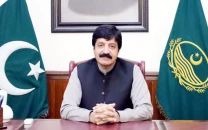
The keynote address was delivered by Minister of State and Chairman of the Pakistan Virtual Assets Regulatory Authority (PVARA), Bilal Bin Saqib, who outlined Pakistan's experience in developing a regulatory framework for digital assets.
Saqib highlighted the potential of digital financial innovation to reduce the cost and increase the speed of cross-border remittances, expand financial inclusion and mobilise capital for development.
He said remittances were a vital source of income for millions of families across the developing world, while the cost of sending relatively small amounts across borders remained significantly higher than international development targets.
The minister stressed the importance of bringing digital assets and related technologies within effective regulatory frameworks, arguing that innovation and regulation should not be seen as competing objectives.
Read: 'Pak making progress in digital assets'
"Clear and effective rules can help build confidence, protect users and create an environment in which digital financial technologies can develop responsibly," he said, according to the Mission's account.
Saqib outlined Pakistan's recent efforts to establish a regulatory architecture for virtual assets, including the establishment of PVARA, legislative and licensing measures, and the development of a regulatory sandbox for innovation.
He identified three broad areas where digital financial infrastructure could contribute to development: faster and more affordable remittances; new mechanisms for mobilising investment and capital through tokenisation; and greater transparency and traceability of financial flows.
He also highlighted potential applications of blockchain-based systems in development finance, subsidies, aid and climate finance, while stressing the need for safeguards against illicit finance, financial losses and other risks.
Saqib cautioned against allowing differences in regulatory and technological capacity to create "a new form of financial divide" between developed and developing countries.
He offered to share Pakistan's experience, including its legislation, licensing framework and regulatory sandbox model, with other developing countries exploring responsible approaches to digital assets.
The minister also called for the United Nations to provide a platform through which emerging economies could collectively contribute to shaping rules and standards for the evolving digital financial system.
Senior UN representatives also addressed the briefing
Robert Opp, Chief Digital Officer of UNDP, shared the organisation's perspective and work on digital technologies and development, including efforts to strengthen institutional capacity and support governments in exploring responsible applications of blockchain and related technologies.
Juan José Martinez Badillo, Chief of UNCTAD's New York Office, addressed the evolving financial and development dimensions of digital assets, while Quintin Chou-Lambert, Deputy to the Secretary-General's Envoy on Technology, discussed digital cooperation, technology governance and capacity-building.
Read more: Crypto could raise remittances to $50b, says ECAP chairman
The speakers stressed the importance of strengthening institutional understanding, developing appropriate policy and regulatory frameworks, and ensuring technological innovation contributes to inclusive and sustainable development.
A panel discussion, moderated by Muhammad Faheem of the Permanent Mission of Pakistan, examined practical applications, policy considerations and lessons from different country and institutional experiences.
Participants discussed the potential of blockchain and DLTs in digital finance, digital identity, public services, traceability and other development areas, alongside challenges involving regulation, interoperability, cybersecurity, institutional capacity and equitable access.
The discussion also highlighted UN initiatives including UNDP's Government Blockchain Academy and the SDG Blockchain Accelerator, which provide platforms for governments to strengthen institutional understanding, exchange experiences and explore practical applications of blockchain technologies.
In his concluding remarks, Ambassador Ahmad said the discussion had demonstrated the growing potential of digital assets and blockchain to shape the future of digital finance and public-service delivery.
He cautioned, however, that technology alone could not deliver development outcomes, saying effective implementation required appropriate policy frameworks, institutional capacity, secure and interoperable infrastructure, and the ability of governments to identify solutions suited to their national needs.
Ambassador Ahmad reiterated that developing countries needed the capacity not only to adopt emerging technologies but also to understand, shape and benefit from them.
He highlighted the potential role of the United Nations in facilitating the exchange of experiences, supporting capacity-building and technical cooperation, and ensuring that the perspectives and development priorities of developing countries remained central to international discussions on emerging technologies.
The briefing concluded with a call for continued dialogue among Member States, the UN system, technology experts and other stakeholders to promote responsible, inclusive and development-oriented approaches to digital financial innovation.
Ambassador Ahmad thanked Saqib, UNDP, UNCTAD and ODET, the panellists, participating Member States and other stakeholders for their contributions.







This material may not be published, broadcast, rewritten, redistributed or derived from. Unless otherwise stated, all content is copyrighted © 2026 The Express Tribune.







COMMENTS
Comments are moderated and generally will be posted if they are on-topic and not abusive.
For more information, please see our Comments FAQ